How to Grow Peas in Your Home Garden: A Complete Guide
Peas are one of the first vegetables you can plant in spring, making them a favorite for Canadian gardeners eager to get an early start. They’re easy to grow, delicious straight from the pod, and come in several varieties suited to different culinary uses. Here’s everything you need to know to successfully grow peas in your home garden.
Why Grow Peas?
-
Cool-season crop: Perfect for spring and fall.
-
Nutritious: High in protein, fiber, and vitamins A, B, and C.
-
Low maintenance: Easy to grow and relatively pest-resistant.
-
Soil-friendly: Fixes nitrogen in the soil, benefiting future crops.
Types of Peas
-
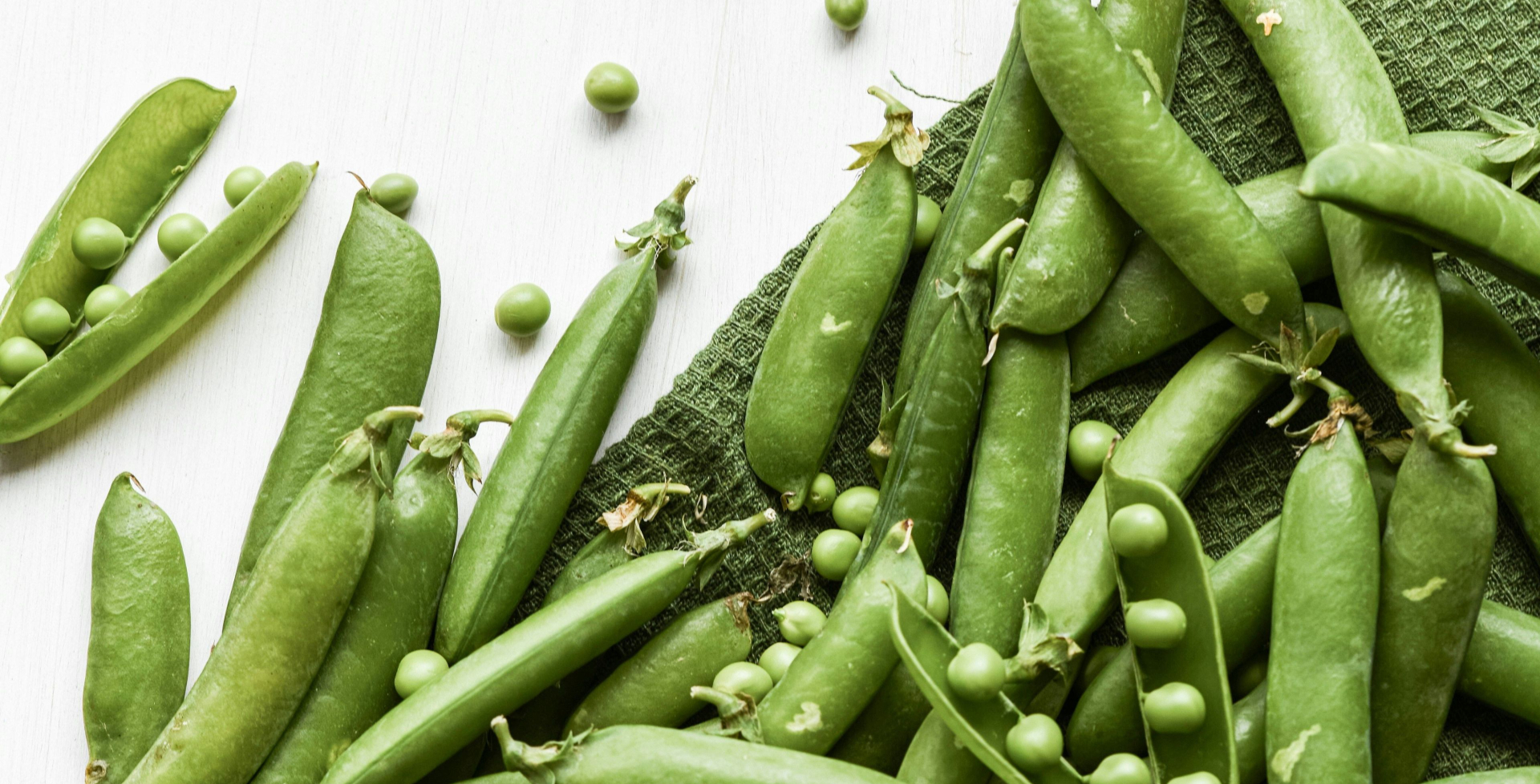
Snap Peas: Edible pod and peas. Crisp and sweet.
-
Snow Peas: Flat, edible pods. Great for stir-fries.
-
Shelling Peas (English Peas): Inedible pod; peas must be removed.
Popular varieties for Canadian gardens:
-
‘Sugar Snap’
-
‘Oregon Sugar Pod’
-
‘Little Marvel’
-
‘Green Arrow’
Soil Requirements
-
Type: Well-drained, sandy or loamy soil.
-
pH: Neutral to slightly acidic (6.0–7.0).
-
Fertility: Moderate. Avoid high-nitrogen fertilizers, which encourage foliage over pods.
Pro Tip: Add compost or aged manure in the fall before spring planting.
Sunlight & Temperature
-
Sun: Full sun to partial shade.
-
Temperature: Germinates as low as 4°C (40°F). Ideal growing temps: 13–18°C (55–65°F).
-
Frost tolerance: Excellent. Can be planted 4–6 weeks before last frost.
Planting Guidelines
-
Direct sow only: Peas dislike transplanting.
-
Timing: As soon as soil can be worked in early spring.
-
Spacing: Sow seeds 1 inch apart, 1 inch deep. Rows 18–24 inches apart.
-
Support: Provide a trellis or netting for climbing varieties.
-
Succession planting: Sow a second crop in late summer for a fall harvest.
Watering & Feeding
-
Watering: Keep soil consistently moist, especially during flowering and pod development.
-
Mulch: Use straw or shredded leaves to retain moisture and control weeds.
-
Feeding: Minimal. Use compost tea or balanced organic fertilizer if needed.
Yield Per Square Foot
-
Expected yield: 0.5–1.5 pounds (225–700 grams) per square foot.
-
Per plant: Each plant produces about 20–50 pods depending on variety and conditions.
Tip: Peas yield more with regular harvesting. Pick often to encourage more pod production.
Pest & Disease Management
-
Pests: Aphids, pea weevils, cutworms.
-
Diseases: Powdery mildew, root rot, fusarium wilt.
-
Prevention: Rotate crops yearly, avoid wetting foliage, and ensure good air circulation.
-
Organic options: Insecticidal soap, row covers, neem oil.
Harvesting Tips
-
Snap & snow peas: Pick when pods are plump but still tender.
-
Shelling peas: Pick when pods are bright green and filled out.
-
Frequency: Harvest every 1–2 days during peak season.
Container Growing
-
Use containers at least 8–12 inches deep.
-
Choose dwarf or bush varieties.
-
Stake or trellis even compact types for airflow and space efficiency.
Enjoying Your Peas
-
Eat fresh, stir-fried, steamed, or added to salads.
-
Freeze or dry excess peas to enjoy year-round.
Final Tips for Success
-
Soak seeds overnight before planting to speed germination.
-
Avoid planting in the same spot more than once every 4 years.
-
Save seeds from heirloom varieties for next year.
Happy planting! 🌱
Planting Calendar (For Most Canadian Regions)
| Task | Timeline (Southern Canada) |
|---|---|
| Sow seeds outdoors | Late March to mid-April |
| Provide support | At time of planting |
| First harvest | Late May to mid-June |
| Succession planting (fall) | Early August |
| Final harvest | September |
Pea Planting Diagram
 Raised Bed Layout (4 ft x 4 ft)

 +-------------------------+
 | T  T  T  T  T  T  T  T  |  T = Pea plant (1" spacing)
 |                         |
 | T  T  T  T  T  T  T  T  |  Rows 18" apart, with trellis
 +-------------------------+
Container Setup:
-
Use 12″ deep containers with good drainage.
-
One row of peas per container side, supported with small stakes or mini-trellis.
Tags: peas, vegetable gardening, home garden, cool season crops, beginner gardening, gardening in Canada