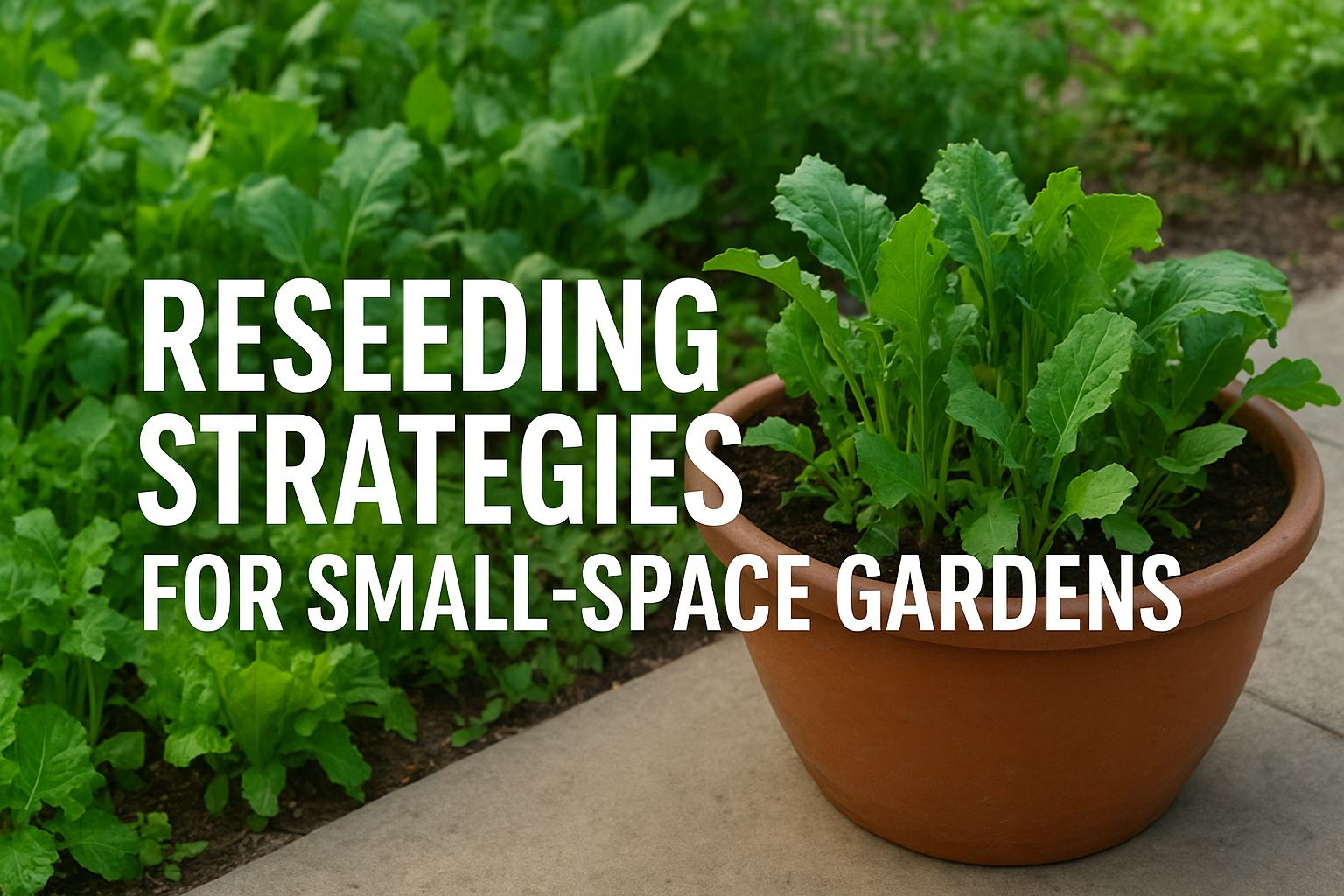
Gardening in a small space doesn’t mean you have to sacrifice harvests. With smart reseeding strategies, you can keep your limited garden area productive all season long. Reseeding—also known as succession planting—helps maximize yields and ensures you always have something fresh to pick. Here are some of the best reseeding techniques for small-space gardens.
1. Stagger Your Plantings
Instead of planting all your seeds at once, sow a few rows every couple of weeks. This staggering creates a continuous harvest rather than a single large crop. Leafy greens, radishes, and beans work especially well with this method.
2. Use Fast-Growing Crops
Focus on vegetables that mature quickly, such as lettuce, spinach, radishes, and arugula. By reseeding these crops regularly, you’ll always have fresh produce ready, even in a tight space.
3. Interplant Different Vegetables
Maximize space by pairing crops with different growth habits. For example, sow radishes between rows of slower-growing carrots. The radishes will be ready to harvest before the carrots need the extra room, keeping your soil productive without overcrowding.
4. Prioritize Cut-and-Come-Again Varieties
Choose vegetables that can be harvested multiple times, such as kale, leaf lettuce, and Swiss chard. With reseeding, these crops provide steady harvests while still leaving space for other plantings.
5. Practice Crop Rotation in Miniature
Even in a small garden, rotating crops helps keep soil healthy and reduces pest buildup. After harvesting one round of lettuce, for example, reseed with beans to add nitrogen back into the soil and extend productivity.
6. Use Containers and Vertical Space
Don’t limit yourself to garden beds. Containers, hanging baskets, and vertical planters give you extra space to reseed crops throughout the season. Herbs, greens, and compact vegetables thrive in these setups.
Tips for Success
- Keep a reseeding calendar to track planting intervals.
- Choose compact or dwarf varieties suited for small spaces.
- Amend soil regularly with compost to replenish nutrients between plantings.
- Water consistently to help new seeds germinate quickly.
By applying these reseeding strategies, you can transform even the smallest garden into a powerhouse of fresh vegetables and herbs. With careful planning, every square foot of your garden can stay productive from spring through fall.
Next, we’ll dive into a month-by-month reseeding guide so you can plan your garden schedule with confidence.