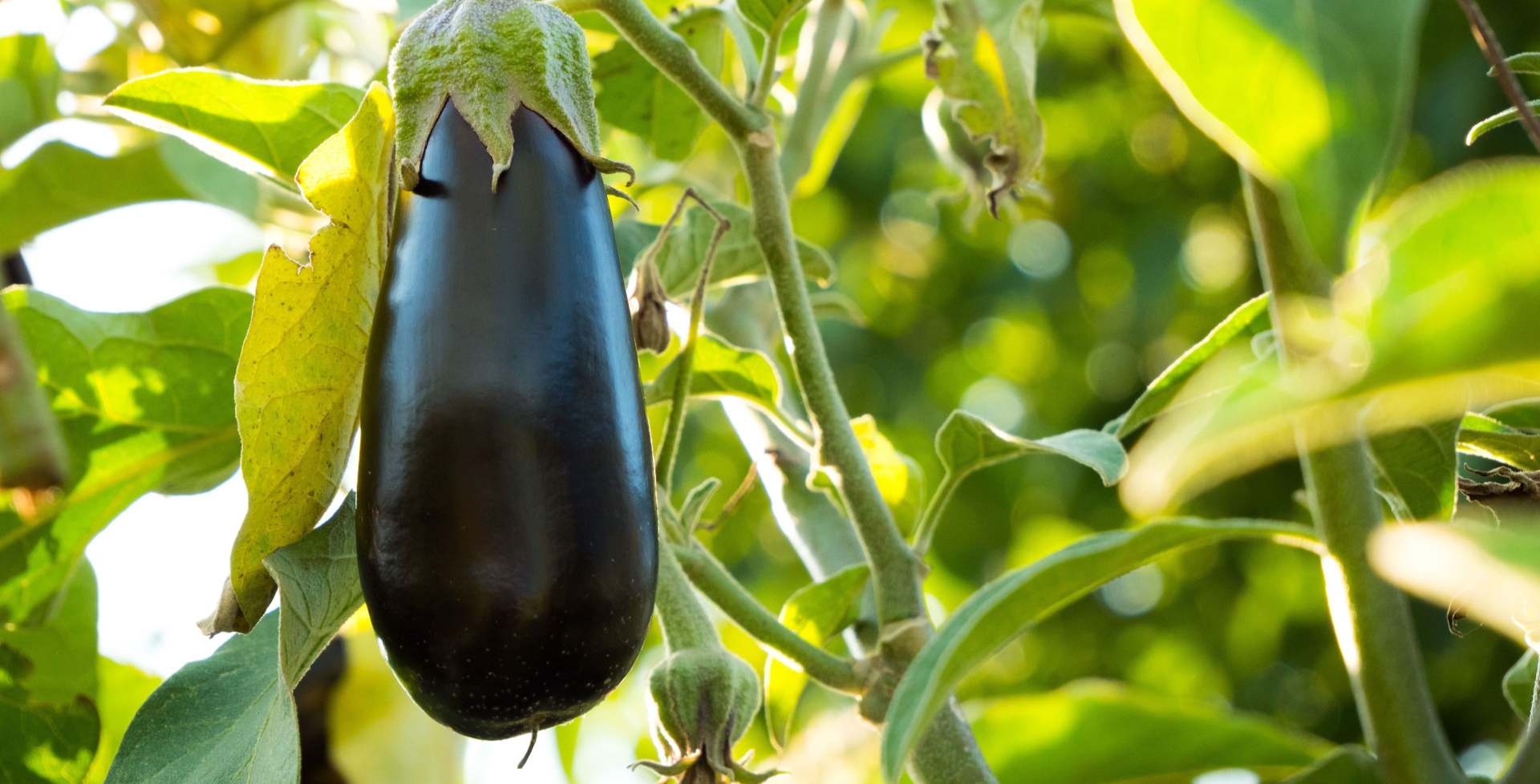
How to Grow Eggplants in Your Home Garden: A Complete Guide
Eggplants, also known as aubergines, are warm-season vegetables with striking purple fruits and a rich, meaty texture. They thrive in Canadian gardens when given heat, sunlight, and consistent care. Here’s everything you need to know to grow eggplants successfully at home.
Why Grow Eggplants?
-
Unique flavor and texture: Great for grilling, roasting, and sauces.
-
Attractive plants: Glossy fruits and ornamental foliage.
-
Productive: One plant can yield several fruits over a season.
-
Warm-weather crop: Ideal for raised beds or containers in sunny spots.
Popular Varieties for Canadian Gardens
-
‘Black Beauty’: Classic large purple fruits.
-
‘Ichiban’: Long, slender Japanese-style.
-
‘Rosa Bianca’: Italian heirloom with mild flavor.
-
‘Little Fingers’: Small fruits ideal for grilling and pickling.
Soil Requirements
-
Type: Rich, well-drained loamy soil.
-
pH: Slightly acidic to neutral (6.2–6.8).
-
Fertility: High—amend soil with compost or aged manure before planting.
Pro Tip: Use black plastic mulch to warm soil and retain moisture.
Sunlight & Temperature
-
Sun: Full sun (6–8+ hours/day).
-
Temperature: Best between 24–30°C (75–86°F).
-
Frost sensitivity: Extremely sensitive. Only plant out after danger of frost.
Planting Guidelines
-
Start indoors: 8–10 weeks before the last frost (late February to early March).
-
Transplant outdoors: Late May to early June, when nighttime temps are consistently above 12°C (54°F).
-
Spacing: 18–24 inches apart in rows 24–36 inches apart.
-
Depth: Plant at same depth as seedling container.
-
Support: Stake or cage to support fruit-laden branches.
Watering & Feeding
-
Watering: 1–2 inches per week; consistent moisture is key.
-
Mulch: Helps regulate soil temperature and moisture.
-
Feeding: Use a balanced fertilizer (5-10-10) every 4–6 weeks or compost tea.
Yield Per Square Foot
-
Per plant: 4–8 fruits, depending on variety.
-
Per square foot: 1 plant per 2–3 square feet.
Tip: Harvest regularly to encourage continuous production.
Pest & Disease Management
-
Pests: Flea beetles, aphids, spider mites, Colorado potato beetles.
-
Diseases: Verticillium wilt, bacterial wilt, damping-off.
-
Prevention: Use row covers, rotate crops, water at soil level.
-
Organic solutions: Neem oil, insecticidal soap, diatomaceous earth.
Harvesting Tips
-
Pick when skin is glossy and firm.
-
Use pruners to avoid damaging stems.
-
Don’t let fruits overripen; they become bitter and seedy.
Container Growing
-
Use 5-gallon containers or larger.
-
Choose compact or dwarf varieties.
-
Provide strong support and regular feeding.
Enjoying Your Eggplants
-
Roast, grill, fry, or bake.
-
Great in ratatouille, eggplant parmesan, or curries.
-
Can be frozen or pickled.
Final Tips for Success
-
Use row covers early in the season to deter pests.
-
Harden off seedlings before transplanting.
-
Remove the first few blossoms to encourage root growth.
Happy gardening! 🍆
Planting Calendar (For Most Canadian Regions)
| Task | Timeline (Southern Canada) |
|---|---|
| Start seeds indoors | Late February to early March |
| Harden off seedlings | Mid to late May |
| Transplant outdoors | Late May to early June |
| First harvest | Late July to mid-August |
| Final harvest | Late September to early October |
Eggplant Planting Diagram
 Raised Bed Layout (4 ft x 4 ft)

 +-------------------------+
 |   o     o     o        |  o = Eggplant (18–24" apart)
 |                         |
 |   o     o     o        |  Rows 24–36" apart
 +-------------------------+
Container Setup:
-
One plant per 5-gallon container.
-
Full sun, well-drained soil.
-
Regular water and fertilizer needed.