How to Grow Rutabaga in Your Canadian Garden: A Hearty Root Vegetable
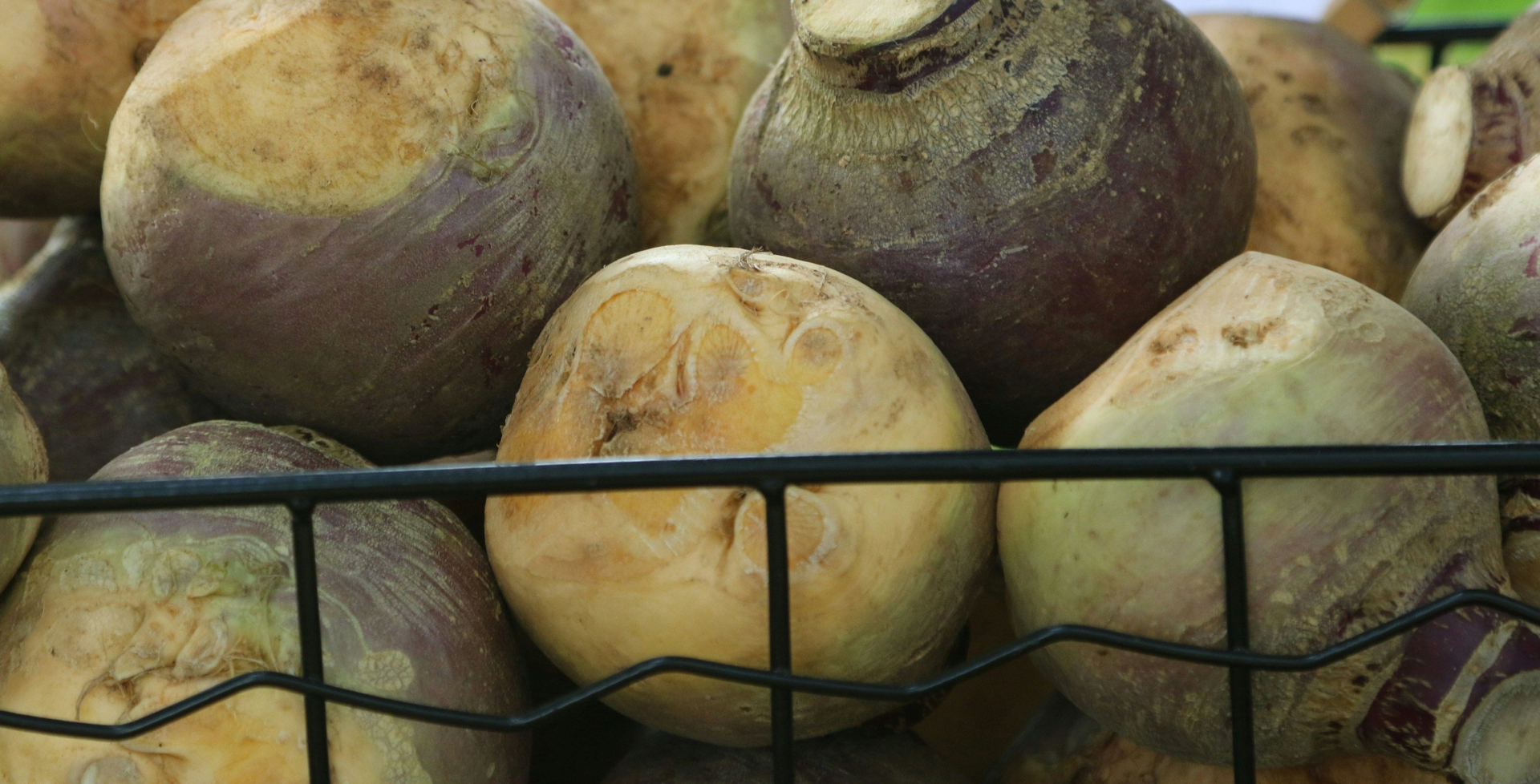
Rutabaga, also known as swede or yellow turnip, is a cool-season root crop known for its nutty, sweet flavor and excellent storage ability. It’s an ideal vegetable for northern gardeners looking for a reliable fall and winter food source.
Why Grow Rutabaga?
-
Cold-hardy: Thrives in cool temperatures and improves in flavor after frost.
-
Long storage: Keeps for months in root cellars or refrigerators.
-
Nutritious: High in fiber, vitamin C, and potassium.
-
Low maintenance: Easy to grow with minimal pest issues.
Best Rutabaga Varieties for Canadian Gardens
-
American Purple Top: Classic variety with purple shoulders and golden flesh.
-
Laurentian: Popular in Canada; uniform and frost-tolerant.
-
Helenor: Compact roots, stores exceptionally well.
Soil Requirements
-
Type: Loose, well-drained loamy or sandy soil.
-
pH: 6.0–7.0.
-
Fertility: Moderate to high. Avoid fresh manure.
Add compost or aged manure in fall or early spring for best results.
Sunlight & Temperature
-
Sun: Full sun (6+ hours/day).
-
Temperature: Ideal 10–20°C (50–68°F).
-
Frost Tolerance: Very high; flavor improves with light frost.
Planting Guidelines
-
Direct Sow Outdoors: Mid-May to early July.
-
Spacing:
-
In Rows: 6 inches apart.
-
Rows: 18–24 inches apart.
-
-
Depth: ½ inch deep.
Late planting ensures roots mature in cool fall weather, enhancing flavor.
Watering & Feeding
-
Watering: 1 inch per week; consistent moisture prevents cracking.
-
Feeding: Apply balanced fertilizer (10-10-10) mid-season.
Yield Per Square Foot
-
Per square foot: 4–6 rutabagas.
Common Pests & Diseases
-
Pests: Root maggots, flea beetles.
-
Diseases: Clubroot, downy mildew.
-
Prevention: Rotate crops, use row covers, avoid wet soil.
Harvesting Tips
-
Harvest when roots are 3–5 inches in diameter.
-
Use a garden fork to loosen soil.
-
Cut off tops and store in a cool, humid place (0–4°C).
Storage Tips
-
Store in sand or peat moss in a root cellar.
-
Refrigerate in plastic bags for up to 3 months.
Container Growing
-
Not ideal due to large root size.
-
If attempted, use deep containers (at least 12–14 inches).
Culinary Uses
-
Roasted, mashed, or added to stews.
-
Mix with potatoes for a rich mash.
-
Grated raw in slaws or salads.
🌱 Rutabaga Planting Calendar (Southern Canada)
| Task | Timeline | Notes |
|---|---|---|
| Direct sow outdoors | Mid-May to early July | Ensure cool weather at maturity |
| Thin seedlings | 2 weeks after sprouting | Final spacing: 6 inches |
| Harvest begins | September to November | After light frost for better taste |
Rutabaga Planting Diagram
 Raised Bed Layout (4 ft x 4 ft)

 +-----------------------------+
 |   o     o     o     o       |  o = Rutabaga (6 in. apart)
 |   o     o     o     o       |
 |   o     o     o     o       |
 +-----------------------------+
🥔 Companion Chart: Rutabaga vs. Turnips vs. Beets vs. Carrots
| Feature | Rutabaga | Turnips | Beets | Carrots |
|---|---|---|---|---|
| Days to Harvest | 90–120 days | 60–75 days | 55–70 days | 60–80 days |
| Yield per sq. ft. | 4–6 roots | 6–9 roots | 9–12 roots | 9–16 roots |
| Cold Tolerance | Excellent | Excellent | Good | Excellent |
| Storage Longevity | 2–4 months | 1–2 months | 2–4 months | 2–6 months |
| Flavor Profile | Sweet, nutty | Mild, peppery | Earthy, sweet | Sweet, crisp |
| Best Planting Time | Late spring to midsummer | Early spring or late summer | Early spring or late summer | Early to mid-spring |