🥕 Mastering the Art of Growing Parsnips in Canada
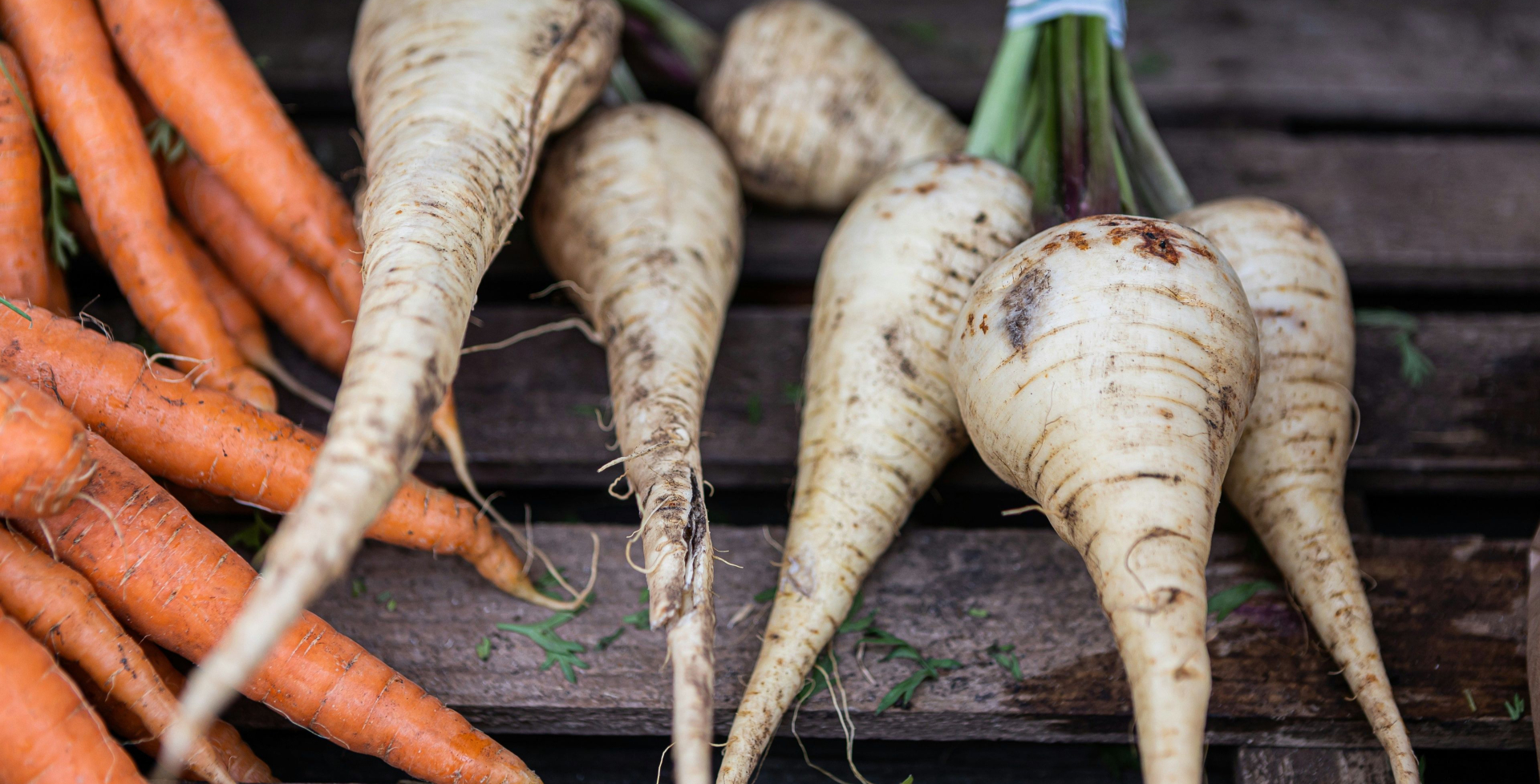
Parsnips may not be the flashiest vegetable in your garden, but they’re undoubtedly one of the most rewarding. Their sweet, nutty flavor—enhanced by frost—and low-maintenance nature make them ideal for Canadian gardeners seeking a robust cool-weather crop.
🌾 What Makes Parsnips a Top Garden Pick?
- Cold Climate Champion: Thrives in chilly weather and tolerates frost.
- Deep Flavor: Sweetness develops after cold exposure.
- Minimal Pests: Less susceptible to issues than many root crops.
- Long-Term Harvest: Leave in the ground for late-fall or even early spring digging.
🧪 Top Varieties for Success
- Albion: Smooth roots and excellent winter flavor.
- Javelin F1: Uniform size, fast-maturing.
- White Gem: Classic heirloom with rich taste.
🧤 Soil Prep & Requirements
- Depth: At least 12–15 inches of loose soil—no stones!
- Drainage: Excellent drainage is a must to avoid root rot.
- Fertility: Moderate; amend with compost but skip high-nitrogen fertilizers.
Tip: Dig deeply and remove any rocks to prevent forking.
🌞 Sunlight & Temperature Needs
- Sun: Full sun preferred, tolerates light shade.
- Germination Temps: 10–21°C (50–70°F).
- Optimal Growth: Cool conditions; prefers steady moisture.
🧷 Sowing Instructions
- When to Plant: As early as soil is workable in spring (April–May).
- How to Sow: Direct sow only—transplanting not recommended.
- Spacing: Sow seeds ½ inch deep, 1–2 inches apart; thin to 4 inches.
- Row Spacing: 12–18 inches between rows.
Parsnips can take 2–3 weeks to germinate. Keep soil moist during this time.
🌿 Ongoing Care
- Watering: Keep evenly moist, especially in dry spells.
- Weeding: Weed early and often—parsnips don’t compete well.
- Thinning: Essential! Crowded plants will produce small, stunted roots.
🐛 Pest & Disease Overview
- Carrot Rust Fly: Floating row covers help prevent infestation.
- Fungal Issues: Ensure good airflow and avoid waterlogged soil.
- Crop Rotation: Avoid planting after carrots or celery.
🧺 Harvesting & Storage
- Harvest Time: 100–130 days after planting, ideally after frost.
- Tools: Use a garden fork to avoid snapping long roots.
- Storage: Store unwashed roots in damp sand or sawdust in a root cellar.
For overwintering: Mulch heavily and dig throughout winter in unfrozen ground.
🍴 How to Use Parsnips
- Roasted with garlic and thyme.
- Blended into soups and stews.
- Mashed with potatoes or carrots.
- Shredded into root veggie fritters.
📆 Parsnip Planting Calendar (Southern Canada)
| Task | Timing |
|---|---|
| Direct Sow Seeds | Mid-April to May |
| Thin Seedlings | Late May |
| First Harvest | September to November |
| Overwintering Option | Until February |
📐 Parsnip Bed Layout (4’ x 8’ Example)
+---------------------------------------------+
| o   o   o   o   o   o   o   o   o   o   o   | (12–18" rows, 4" spacing)
|                                             |
| o   o   o   o   o   o   o   o   o   o   o   |
+---------------------------------------------+
🥕 Comparison Chart: Parsnips vs. Carrots vs. Rutabaga vs. Salsify
| Feature | Parsnips | Carrots | Rutabaga | Salsify |
|---|---|---|---|---|
| Days to Maturity | 100–130 | 60–80 | 90–100 | 120–150 |
| Frost Improves Taste | ✅ | ❌ | ✅ | ✅ |
| Soil Depth Needed | Deep | Moderate | Moderate | Deep |
| Storage Longevity | 3–4 months | 2 months | 4–6 months | 2–3 months |
| Cold Hardiness | Excellent | Good | Excellent | Good |