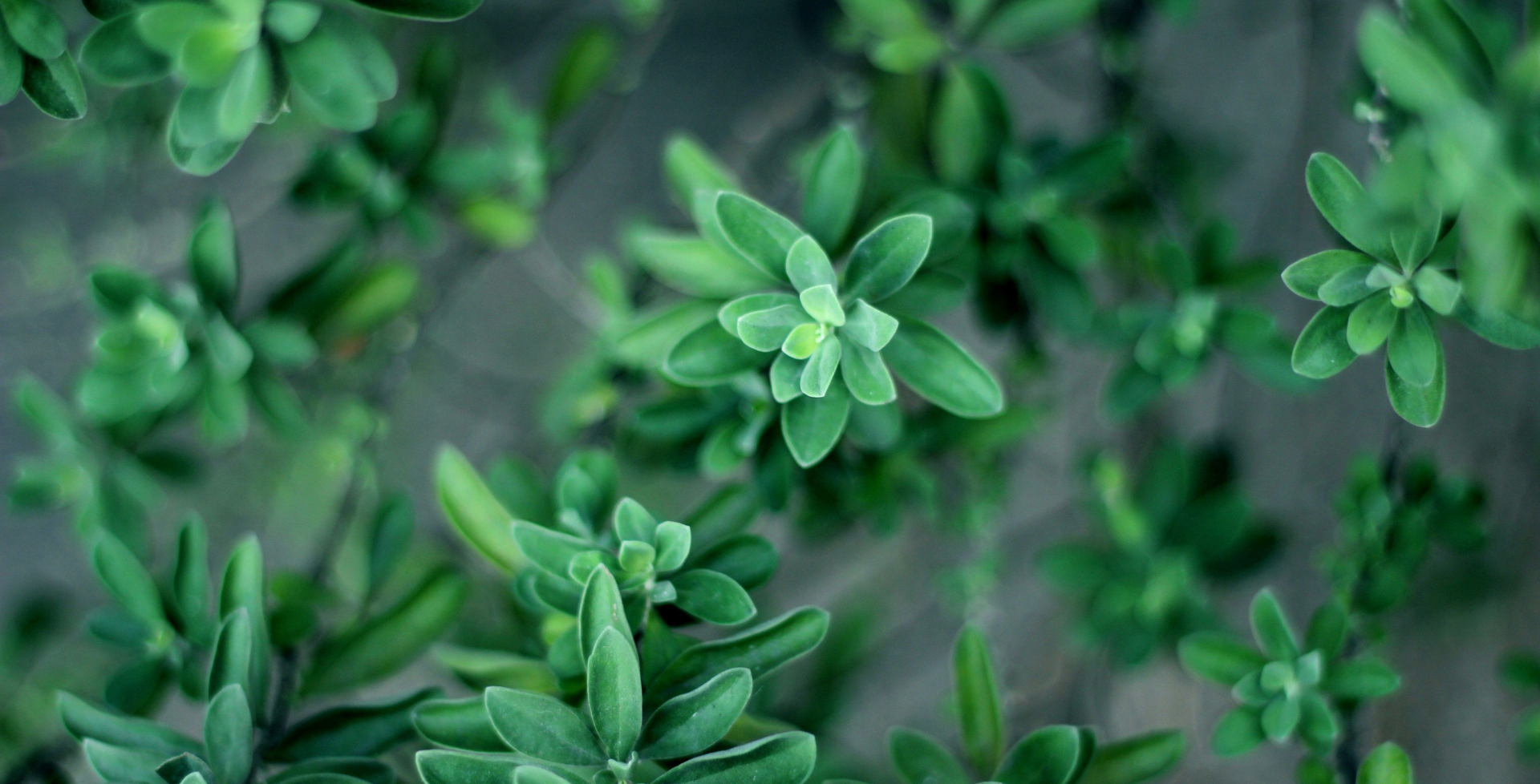
How to Grow Thyme in Your Canadian Garden: A Fragrant, Hardy Herb
Thyme is a low-growing, aromatic perennial herb beloved in kitchens and pollinator gardens alike. Known for its versatility and resilience, thyme thrives in tough conditions, making it a fantastic addition to any Canadian herb garden.
🌿 Why Grow Thyme?
-
Cold Hardy: Overwinters in most Canadian climates.
-
Drought Tolerant: Perfect for xeriscaping or low-maintenance beds.
-
Pollinator Friendly: Flowers attract bees and butterflies.
-
Culinary Staple: Pairs well with meat, vegetables, and soups.
🌱 Best Thyme Varieties
-
English Thyme (Thymus vulgaris): Classic culinary thyme.
-
Lemon Thyme: Fragrant lemon scent, excellent for tea and poultry.
-
Creeping Thyme: Great groundcover; edible but more ornamental.
🌾 Soil Requirements
-
Type: Sandy, well-draining soil.
-
pH: 6.0 to 8.0.
-
Fertility: Low; do not over-fertilize.
Thyme thrives in poor soil—rich soil will reduce its flavor potency.
☀️ Sunlight & Temperature
-
Sunlight: Full sun (6–8 hours daily).
-
Temperature: Thrives in 15–30°C (59–86°F).
-
Cold Tolerance: Very good; may need mulching in harsh winters.
📅 Planting Guidelines
-
Start Indoors: 8–10 weeks before last frost (February–March).
-
Transplant Outdoors: After last frost, late May.
-
Spacing: 12–18 inches apart.
-
Propagation: From seed, cuttings, or by division.
Thyme seeds germinate slowly—cuttings are often more reliable.
💧 Watering & Feeding
-
Watering: Allow soil to dry between waterings.
-
Feeding: Minimal feeding needed; avoid rich fertilizers.
✂️ Harvesting Thyme
-
Begin harvesting once plants are 4–6 inches tall.
-
Snip off sprigs just before flowering for best flavor.
-
Can be harvested fresh or dried for later use.
🌡️ Common Issues
-
Root Rot: Avoid overwatering and poor drainage.
-
Leggy Growth: Trim regularly to maintain shape.
-
Winterkill: Mulch around plants in fall.
🍴 Culinary Uses
-
Add to roasted meats, vegetables, soups, and stews.
-
Pairs well with rosemary, garlic, and oregano.
-
Infuse into oils, vinegars, and marinades.
📆 Thyme Planting Calendar (Southern Canada)
| Task | Timeline |
|---|---|
| Start indoors | February to March |
| Transplant outdoors | Late May to June |
| Light pruning | June to August |
| Heavy pruning/divide | Late summer or early fall |
🌿 Thyme Companion Planting Chart
| Plant | Companion Plants | Avoid Planting With |
|---|---|---|
| Thyme | Cabbage, tomatoes, strawberries | None significant |
| Benefits | Repels cabbage worms, enhances growth of nearby plants |
🪴 Thyme Planting Diagram (4’ x 4’ Herb Bed Example)
+-----------------------------+
| T   L   B   T   O           |  T = Thyme, L = Lavender, B = Basil, O = Oregano
|                             |
| R   T   M   T   S           |  R = Rosemary, M = Mint, S = Sage
+-----------------------------+