How to Grow Sage in Your Canadian Garden: A Hardy, Aromatic Herb
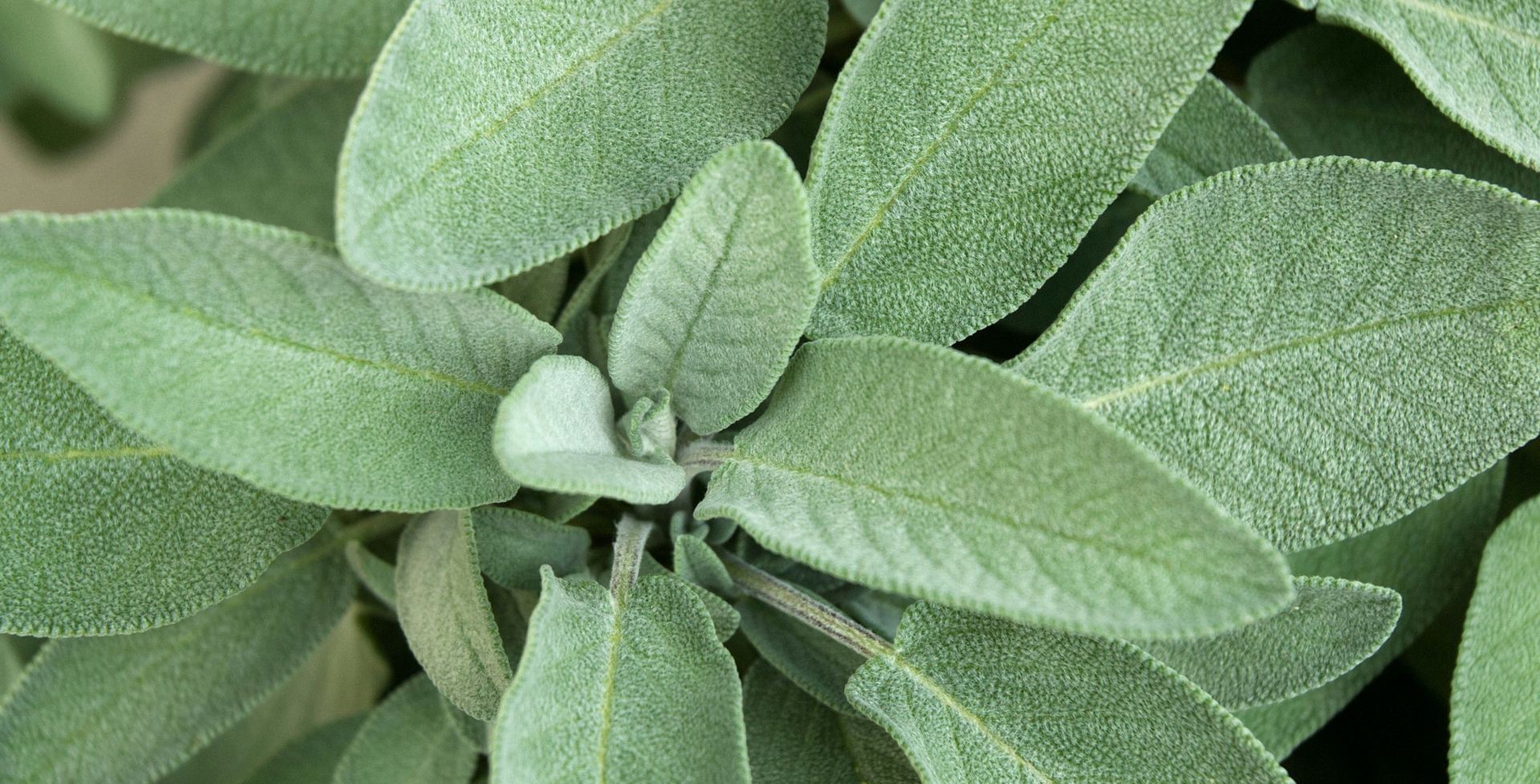
Sage is a robust and aromatic perennial herb that thrives in Canadian gardens with the right care. Valued for its culinary, medicinal, and ornamental properties, sage is a must-have in any herb garden. Its silvery leaves and purple flowers also make it a beautiful addition to garden beds and borders.
🌿 Why Grow Sage?
-
Culinary Uses: Essential in stuffing, roasted meats, and sauces.
-
Perennial Herb: Comes back year after year in Zones 5 and warmer.
-
Drought-Tolerant: Needs minimal watering once established.
-
Pollinator-Friendly: Produces flowers that attract bees and butterflies.
🌱 Best Sage Varieties for Canadian Gardens
-
Common Garden Sage (Salvia officinalis): Standard variety for culinary use.
-
Berggarten Sage: Compact, broad leaves, great flavor.
-
Purple Sage: Ornamental and edible, with deep purple leaves.
-
Golden Sage: Variegated leaves with gold accents; also edible.
🌾 Soil Requirements
-
Type: Well-draining, sandy or loamy soil.
-
pH: 6.0–7.0.
-
Fertility: Low to moderate; avoid overly rich soil.
Good drainage is crucial—wet roots can kill the plant.
☀️ Sunlight & Temperature
-
Sunlight: Full sun (6–8 hours daily).
-
Temperature: Hardy to -29°C (-20°F) in protected sites (Zone 5).
-
Cold Tolerance: May need winter protection in colder zones.
📅 Planting Guidelines
-
Start Indoors: 6–8 weeks before last frost (March–April).
-
Transplant Outdoors: After last frost (late May to early June).
-
Spacing: 18–24 inches apart.
-
Container Growing: Ideal for small spaces; ensure good drainage.
Sage doesn’t like transplanting multiple times—plant in final location early.
💧 Watering & Feeding
-
Watering: Allow soil to dry out between waterings.
-
Feeding: Minimal feeding; compost in spring is sufficient.
✂️ Harvesting Sage
-
Snip leaves as needed once plant is 6–8 inches tall.
-
Best flavor before flowering.
-
For drying, harvest before bloom and hang in bundles upside down.
🌡️ Common Issues
-
Root Rot: Avoid overwatering and poor drainage.
-
Powdery Mildew: Space plants well for airflow.
-
Woodiness: Prune in early spring to promote new growth.
🍴 Culinary Uses
-
Classic with poultry, pork, and sausages.
-
Enhances butter sauces, bread, and gnocchi.
-
Pairs well with thyme, rosemary, and garlic.
📆 Sage Planting Calendar (Southern Canada)
| Task | Timeline |
|---|---|
| Start indoors | March–April |
| Transplant outdoors | Late May–early June |
| First harvest | June–July |
| Prune for new growth | Early spring (next year) |
🌿 Sage Companion Planting Chart
| Plant | Companion Plants | Avoid Planting With |
|---|---|---|
| Sage | Rosemary, cabbage, carrots, beans | Cucumbers |
| Benefits | Repels cabbage moth, carrot fly | Can inhibit cucumber growth |
🪴 Sage Planting Diagram (Herb Garden Example)
+-----------------------------+
| T   R   S   C   B           |  T = Thyme, R = Rosemary, S = Sage
|                             |  C = Chives, B = Basil
+-----------------------------+