
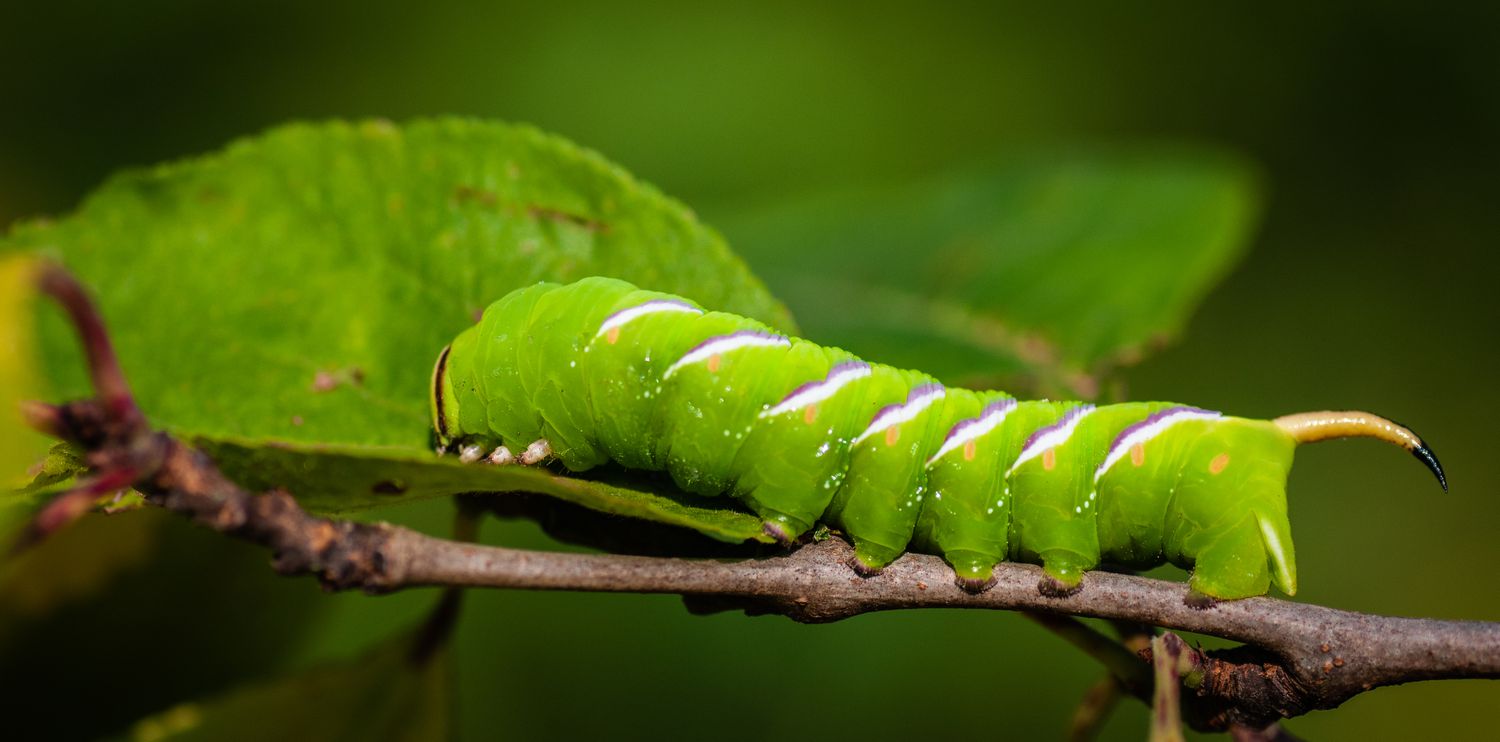
Tomato worms, especially the tomato hornworm, are among the most notorious pests in home vegetable gardens. Their voracious appetite and stealthy camouflage can wipe out tomato plants almost overnight. Here’s how to identify, manage, and eliminate them in your Canadian garden.
🐛 What Are Tomato Worms?
“Tomato worm” typically refers to the tomato hornworm, the larval stage of the five-spotted hawk moth. These caterpillars are:
-
Green with white stripes and a signature curved “horn” on the rear.
-
Large, growing up to 4 inches long.
-
Camouflaged among tomato foliage.
-
Found on tomatoes, eggplants, peppers, and potatoes (all nightshades).
🌿 Why Do You Get Tomato Worms?
Tomato hornworms are native to North America and lay their eggs on nightshade family plants. You might get an infestation due to:
-
Warm summer temperatures encouraging moth activity.
-
Lack of natural predators, such as birds or parasitic wasps.
-
Monoculture planting, which makes it easier for pests to find their preferred food.
🔍 Signs of Infestation
-
Skeletonized leaves with only veins remaining.
-
Dark green or black droppings (frass) on lower leaves.
-
Missing stems and stripped branches.
-
The worms themselves—hard to see but often on the undersides of leaves.
✅ 4 Ways to Get Rid of Tomato Worms
1. Handpicking (Organic & Effective)
-
Inspect plants daily.
-
Remove worms and drop them into a bucket of soapy water.
-
Use gloves if you prefer not to touch them directly.
2. Encourage Natural Predators
-
Attract beneficial insects like braconid wasps, which lay eggs on the worms.
-
Leave hornworms with white egg sacs alone—they’re parasitized.
-
Plant flowers like dill, fennel, and yarrow to attract predatory insects.
3. Use Biological Controls (BT Spray)
-
Apply Bacillus thuringiensis (BT), a bacteria that targets caterpillars.
-
Safe for humans, pets, and pollinators.
-
Reapply after rain or heavy watering.
4. Companion Planting
-
Plant basil, marigold, or borage near tomatoes to help repel hornworms.
-
These also attract beneficial insects.
🗓️ Tomato Worm Prevention Calendar
| Task | Timeline |
|---|---|
| Start checking for eggs | Late May to June |
| Daily plant inspection | June through August |
| Apply BT if needed | July to August |
| Remove infested plants | Late summer if needed |
🧪 Extra Tips
-
Rotate crops annually to reduce pest buildup.
-
Remove plant debris in fall to eliminate overwintering pupae.
-
Use row covers early in the season to block moth access.
Tomato worms may be intimidating, but with vigilance and a few smart strategies, you can protect your harvest and keep your tomato plants thriving.