🐝 Why You Should Welcome Bees Into Your Garden
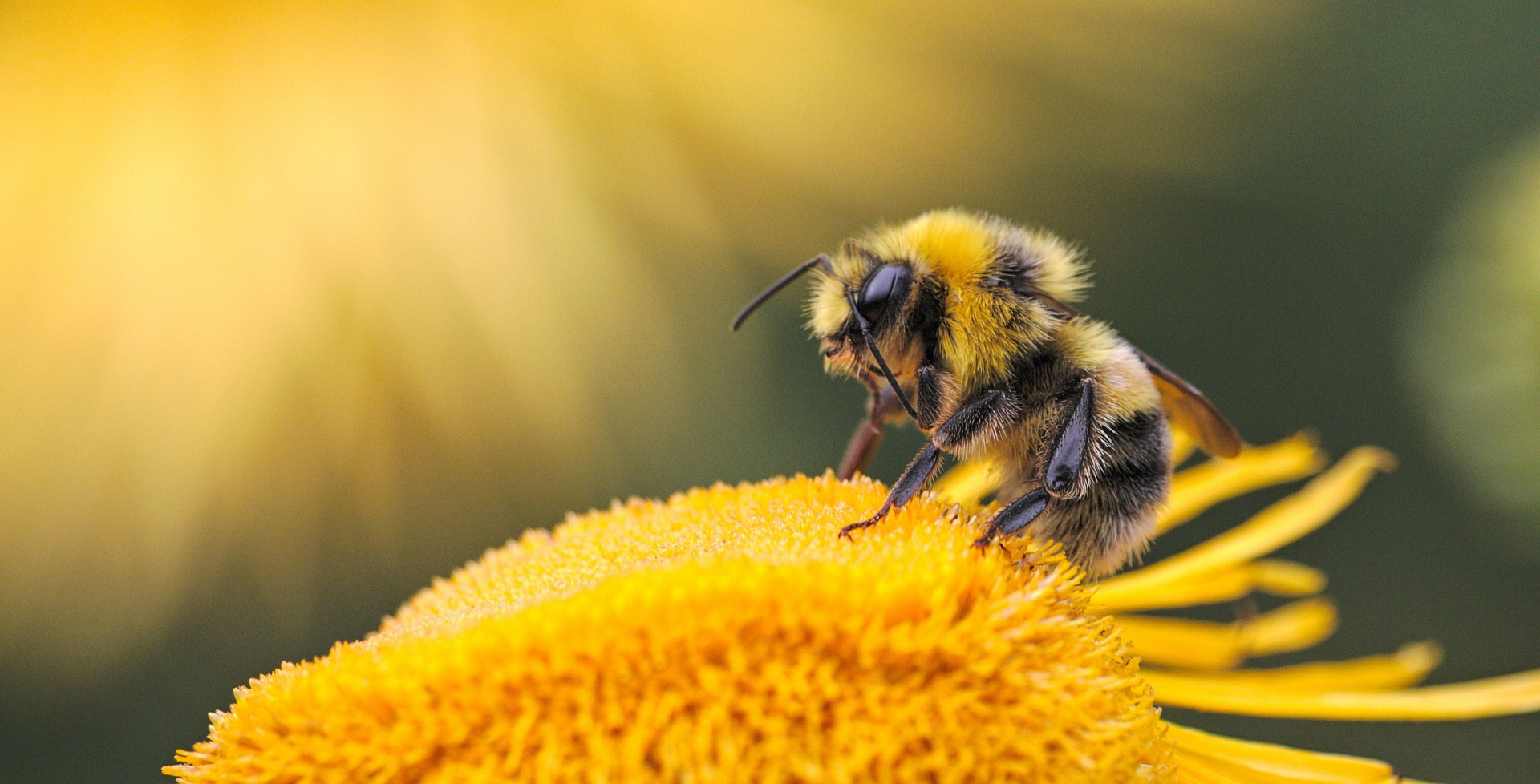
Bees are more than just cute garden visitors—they’re essential to your garden’s success. These hardworking pollinators help fruits, vegetables, herbs, and flowers thrive by transferring pollen from bloom to bloom. Without them, many plants wouldn’t produce the food or flowers we rely on.
Unfortunately, bee populations around the world are declining due to pesticide use, habitat loss, and climate change. But the good news? You can make a difference—right in your own backyard.
Here’s how to attract bees to your garden and create a vibrant, pollinator-friendly space that benefits both your plants and the planet.
🌼 Why Bees Are Vital for Your Garden
Bees play a crucial role in plant reproduction. When bees visit flowers in search of nectar and pollen, they transfer pollen from one flower to another, allowing fruits and seeds to form.
In fact, over 75% of flowering plants and crops depend on pollinators like bees. Tomatoes, cucumbers, squash, strawberries—these garden favorites all benefit from bee visits.
Creating a bee-friendly garden helps ensure better yields, stronger plants, and a more balanced ecosystem.
🌸 Choose the Right Plants to Attract Bees
Not all flowers are created equal when it comes to feeding bees. The best way to bring more pollinators to your yard is by planting a variety of flowers that offer nectar and pollen throughout the growing season.
✅ Focus on Native Plants
Bees and native plants evolved together. Native flowers tend to be more nutritious and better suited to local bee species. A few great examples in Canadian gardens include:
-
Purple coneflower (Echinacea)
-
Bee balm (Monarda)
-
Black-eyed Susan (Rudbeckia)
-
Milkweed (Asclepias)
-
Goldenrod (Solidago)
Check your region’s native plant list to find species suited to your area.
🎨 Add a Mix of Flower Shapes and Colors
Bees are especially attracted to blue, purple, yellow, and white flowers. Include different flower shapes—like flat, open blooms and tubular varieties—to appeal to a wide range of bee species.
🗓️ Plant for Continuous Bloom
Choose plants that flower at different times to provide food from early spring to late fall. For example:
-
Spring: Crocus, lungwort, salvia
-
Summer: Lavender, oregano, cosmos
-
Fall: Asters, goldenrod, sedum
🚫 Avoid Harmful Chemicals
One of the biggest threats to bees is pesticide exposure—especially from neonicotinoids, which are toxic to pollinators even in small doses.
Instead, use organic gardening practices or make your own natural pest control solutions, like insecticidal soap or neem oil. Better yet, encourage natural predators like ladybugs and lacewings.
A bee-friendly garden is a chemical-free garden.
💧 Provide Habitat and Water Sources
Attracting bees isn’t just about flowers. Bees also need safe places to rest, nest, and drink water.
🐝 Add a Bee Bath
Create a simple bee water station using a shallow dish filled with clean water and small stones or marbles for landing pads. Keep it clean and refill regularly.
🪵 Leave Some Bare Ground
Many native bees are ground-nesters and need access to bare soil. Avoid over-mulching and leave a few sunny, undisturbed patches of earth.
🏠 Build or Buy a Bee Hotel
Solitary bees like mason and leafcutter bees love nesting in small holes. A bee hotel made of bamboo tubes, wood blocks, or drilled logs gives them a safe place to lay eggs.
🌿 Design a Bee-Friendly Garden Layout
Make your garden easy for bees to find and navigate by grouping plants together in clusters. A patch of 3–5 of the same flower species is more attractive than scattered individuals.
-
Place flowers in sunny areas—bees love warmth.
-
Avoid too much lawn—grass offers no nectar.
-
Grow herbs like thyme, chives, and mint, which double as culinary ingredients and bee magnets.
💛 Extra Ways to Support Bees
Want to go the extra mile? Here are a few bonus ways to make your garden a true haven for bees:
-
Buy local honey to support sustainable beekeeping.
-
Join a local pollinator project or community garden.
-
Educate others about the importance of bees.
-
Sign petitions or advocate for pollinator-friendly laws in your area.
🌻 Final Thoughts
Creating a bee-friendly garden doesn’t require a lot of space or money—just some thoughtful planning, a love for plants, and a little patience. By choosing the right flowers, avoiding pesticides, and providing safe habitats, you’ll turn your garden into a buzzing paradise for bees and other pollinators.
And as a bonus? You’ll enjoy healthier plants, bigger harvests, and a garden that’s alive with color and movement.
Want more tips for pollinator gardening?
Check out our next post: 👉 Native Plants for Canadian Pollinators