How to Grow Winter Squash in Your Home Garden: A Complete Guide
Winter squash offers dense, sweet flesh and long-term storage potential, making it a staple for late-season and winter meals. With many varieties to choose from, growing winter squash in Canadian gardens is both rewarding and surprisingly easy with proper planning.
Why Grow Winter Squash?
-
Long shelf life: Store for months after harvest.
-
Nutrient-dense: High in vitamins A and C, fiber, and antioxidants.
-
Beautiful and diverse: Many shapes, colors, and textures.
-
Great for storage and roasting: Ideal for winter soups, baking, and purees.
Popular Varieties for Canadian Gardens
-
Butternut: Smooth tan skin and sweet orange flesh.
-
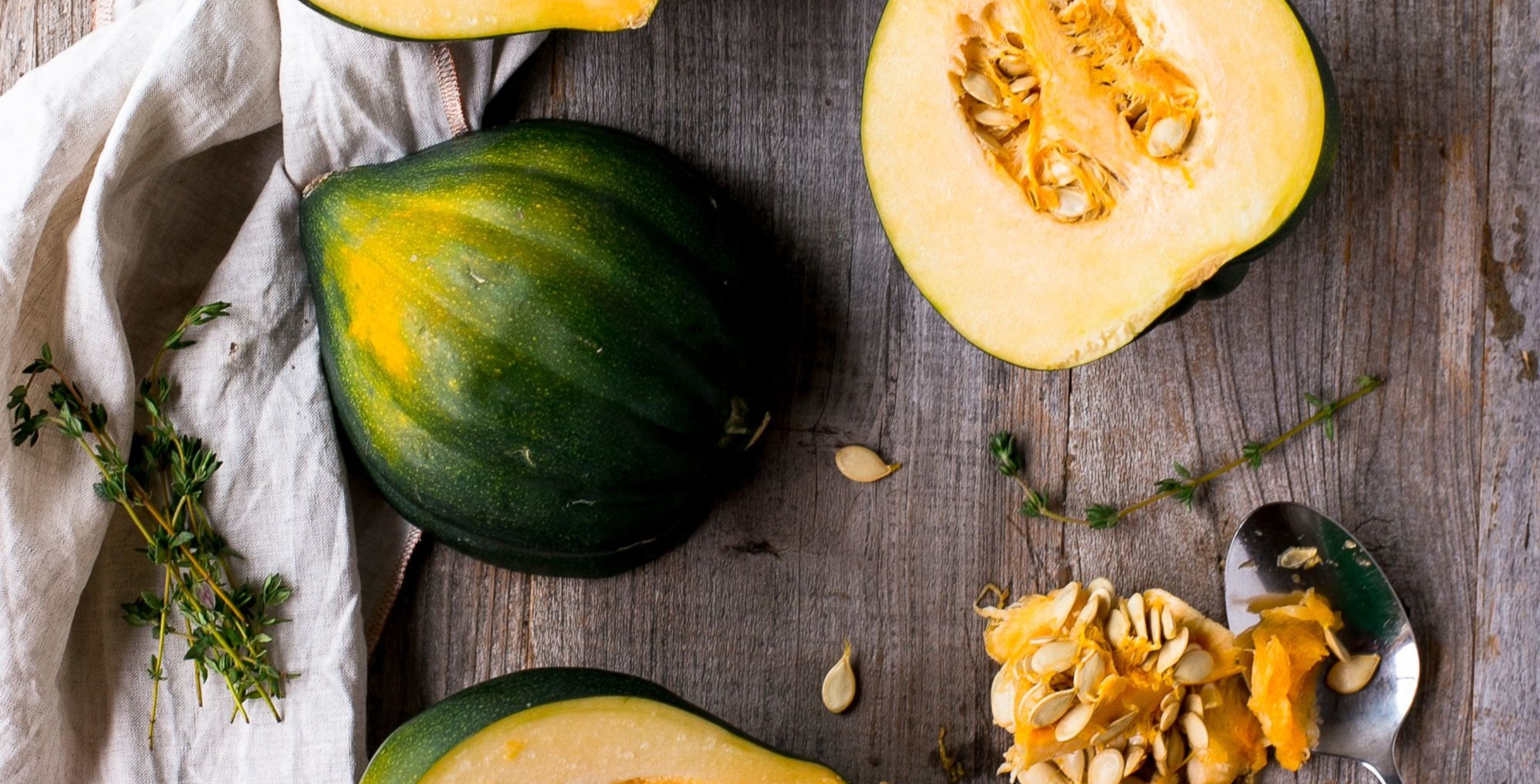
Acorn: Small, ribbed squash with green or golden skin.
-
Spaghetti Squash: Flesh separates into noodle-like strands.
-
Delicata: Small, oblong, and easy to slice.
-
Hubbard: Large, long-storing squash with bumpy skin.
Soil Requirements
-
Type: Rich, well-drained soil.
-
pH: Slightly acidic to neutral (6.0–7.0).
-
Fertility: High; enrich soil with compost or aged manure.
Pro Tip: Plant winter squash in compost-rich mounds for optimal drainage and warmth.
Sunlight & Temperature
-
Sun: Full sun (6–8+ hours/day).
-
Temperature: Best between 20–30°C (68–86°F).
-
Frost sensitivity: Very sensitive. Start after the last frost.
Planting Guidelines
-
Start indoors: Mid to late April (optional for short-season areas).
-
Direct sow outdoors: Late May to early June when soil is warm (18°C+).
-
Spacing:
-
Vining types: 3–5 feet apart or provide room to sprawl.
-
Bush types: 2–3 feet apart.
-
-
Depth: 1 inch deep.
-
Hill method: 2–3 seeds per hill, thin to 1–2 strongest plants.
Watering & Feeding
-
Watering: 1–1.5 inches/week, consistently.
-
Mulch: Retains moisture and controls weeds.
-
Feeding: Fertilize with compost or a 5-10-10 fertilizer every 4–6 weeks.
Yield Per Square Foot
-
Per plant: 2–5 fruits depending on variety.
-
Per square foot: One plant per 3–5 square feet.
Tip: Use vertical supports for compact space and airflow improvement.
Pest & Disease Management
-
Pests: Squash bugs, cucumber beetles, vine borers.
-
Diseases: Powdery mildew, downy mildew, mosaic virus.
-
Prevention: Crop rotation, use of row covers, spacing for airflow.
-
Organic solutions: Neem oil, insecticidal soap, hand-picking pests.
Harvesting Tips
-
Wait until rinds are hard and stems start to shrivel.
-
Use pruning shears to cut squash with 2 inches of stem attached.
-
Cure in a warm, dry place for 10–14 days to improve storage life.
Storage Tips
-
Store in a cool (10–15°C), dry, well-ventilated area.
-
Avoid storing near apples or ethylene-producing fruits.
-
Most varieties keep 2–6 months.
Container Growing
-
Only suitable for small bush varieties.
-
Use 15–20 gallon containers with strong support.
-
Fertilize regularly and water deeply.
Enjoying Your Winter Squash
-
Roast, bake, mash, or turn into soups and stews.
-
Freeze cooked flesh or cubes for later use.
-
Make sauces, curries, pies, or bread.
Final Tips for Success
-
Hand-pollinate if bees are scarce.
-
Train vines away from other plants.
-
Use straw or boards to keep fruit off damp soil.
Happy harvesting! 🌿
Planting Calendar (For Most Canadian Regions)
| Task | Timeline (Southern Canada) |
|---|---|
| Start seeds indoors | Mid to late April |
| Direct sow outdoors | Late May to early June |
| First harvest | Late August to early September |
| Final harvest | Before first frost (late Sept/Oct) |
Winter Squash Planting Diagram
 Raised Bed Layout (4 ft x 8 ft)

 +-----------------------------------+
 | o       o       o       o         |  o = Winter squash (3–5 ft apart)
 |                                   |
 |           (space to vine)         |
 +-----------------------------------+
Container Setup:
-
One plant per 15–20 gallon container.
-
Add trellis or vertical support if needed.
-
Ensure consistent watering and nutrition.