
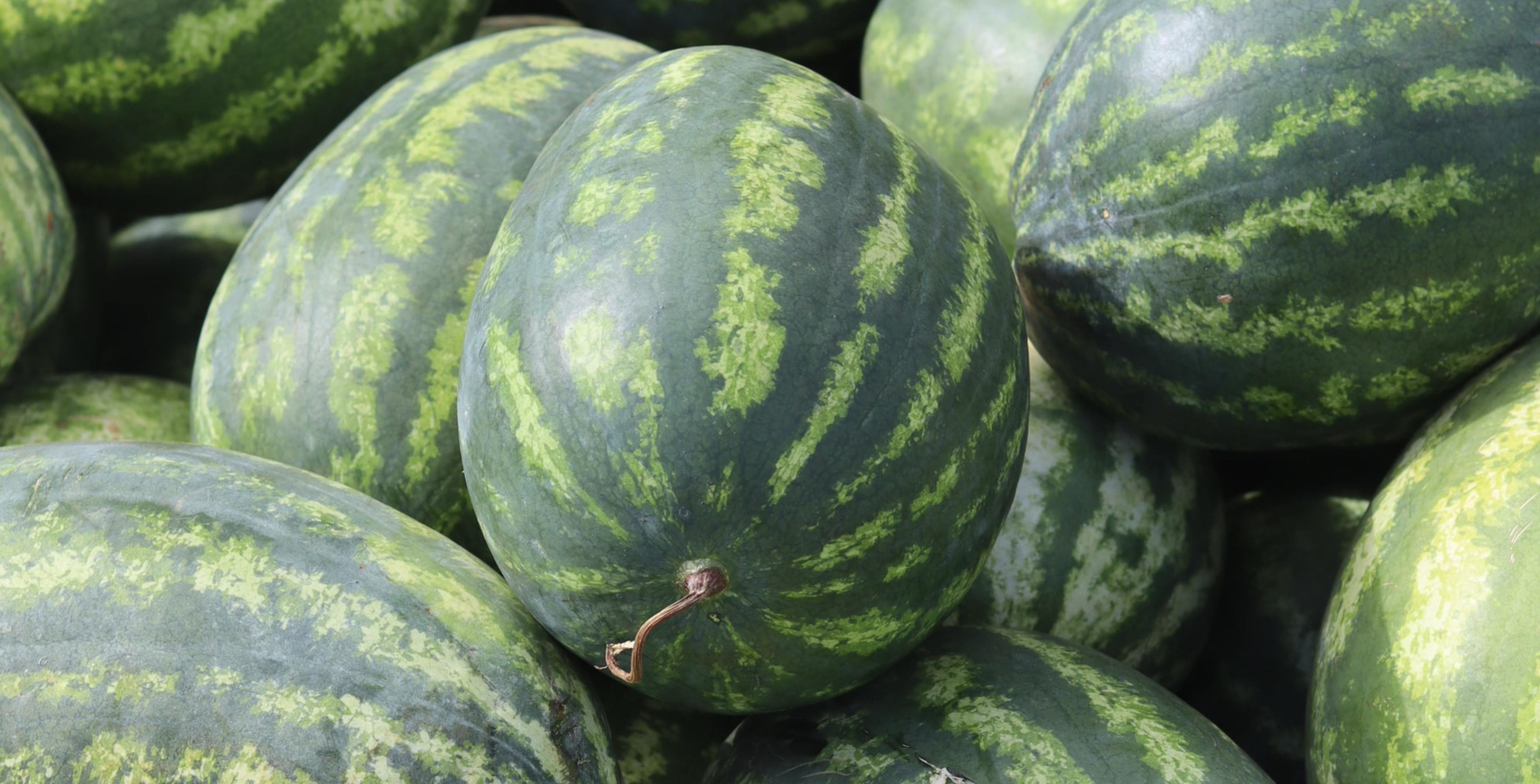
How to Grow Melons in Your Home Garden: A Complete Guide
Sweet, juicy melons are a warm-season treat that can thrive in Canadian gardens with the right care and growing conditions. From cantaloupes to watermelons, these fruits are both rewarding and delicious when grown at home.
Why Grow Melons?
-
Sweet and refreshing: Perfect for summer snacks and salads.
-
Fun to grow: Watching them ripen is exciting for kids and adults alike.
-
Diverse types: Choose from cantaloupe, watermelon, honeydew, and more.
-
Nutrient-rich: High in vitamin C, A, and hydration benefits.
Popular Varieties for Canadian Gardens
-
Cantaloupe: ‘Halona’, ‘Minnesota Midget’, ‘Hearts of Gold’.
-
Watermelon: ‘Sugar Baby’, ‘Crimson Sweet’, ‘Yellow Doll’.
-
Honeydew: ‘Honey Orange’, ‘Green Flesh’.
Choose early-maturing or short-season varieties for Canadian climates.
Soil Requirements
-
Type: Sandy, well-drained loam enriched with compost.
-
pH: 6.0–6.8.
-
Fertility: High—amend with aged manure or compost.
Pro Tip: Raised beds and hills warm quickly and improve drainage.
Sunlight & Temperature
-
Sun: Full sun (8+ hours/day).
-
Temperature: 24–30°C (75–86°F).
-
Frost sensitivity: Very sensitive. Only plant after all danger of frost has passed.
Planting Guidelines
-
Start indoors: Early to mid-May (optional).
-
Direct sow outdoors: Late May to early June when soil reaches 18°C (65°F).
-
Spacing: 3–4 feet apart in rows 5–6 feet apart.
-
Depth: 1 inch.
-
Hill method: 2–3 seeds per hill, thin to 1–2 strongest plants.
Watering & Feeding
-
Watering: 1–2 inches/week; avoid wetting leaves to reduce disease.
-
Mulch: Retains moisture and keeps fruits clean.
-
Feeding: Fertilize with a 5-10-10 fertilizer every 3–4 weeks.
Yield Per Square Foot
-
Per plant: 2–6 melons depending on variety and care.
-
Per square foot: 1 plant per 4–6 square feet (requires room to sprawl).
Tip: Hand-pollinate flowers in cooler regions to ensure fruit set.
Pest & Disease Management
-
Pests: Cucumber beetles, aphids, squash bugs.
-
Diseases: Powdery mildew, downy mildew, fusarium wilt.
-
Prevention: Good spacing, drip irrigation, crop rotation.
-
Organic solutions: Neem oil, insecticidal soap, remove infected foliage.
Harvesting Tips
-
Melons are ripe when they easily detach from the vine and smell sweet.
-
Watermelons are ready when the underside turns yellow and the tendril near the stem dries.
-
Avoid overripe melons, which may crack or become mealy.
Storage Tips
-
Refrigerate ripe melons for up to 1 week.
-
Store uncut melons at room temperature for a few days.
-
Freeze melon cubes for smoothies or desserts.
Container Growing
-
Only suitable for mini or dwarf varieties.
-
Use 15–20 gallon pots with trellising or cage supports.
-
Fertilize regularly and provide consistent watering.
Enjoying Your Melons
-
Eat fresh, in fruit salads, smoothies, or with prosciutto.
-
Make melon sorbet, agua fresca, or popsicles.
-
Save seeds from heirloom varieties for next season.
Final Tips for Success
-
Prune vines to encourage larger fruits.
-
Use boards or straw to elevate melons off the soil.
-
Water consistently to avoid cracked fruits.
Happy melon growing! 🍈
Planting Calendar (For Most Canadian Regions)
| Task | Timeline (Southern Canada) |
|---|---|
| Start seeds indoors | Early to mid-May |
| Direct sow outdoors | Late May to early June |
| Hand-pollinate if needed | June to July |
| First harvest | Mid to late August |
| Final harvest | Before first frost (September) |
Melon Planting Diagram
 Raised Bed Layout (4 ft x 8 ft)

 +-----------------------------------+
 | o       o       o                |  o = Melon hill (3–4 ft apart)
 |                                   |
 |        (space to vine)            |
 +-----------------------------------+
Container Setup:
-
Use one mini variety plant per 15–20 gallon container.
-
Add trellis for support and airflow.
-
Keep soil warm and fertilize monthly.