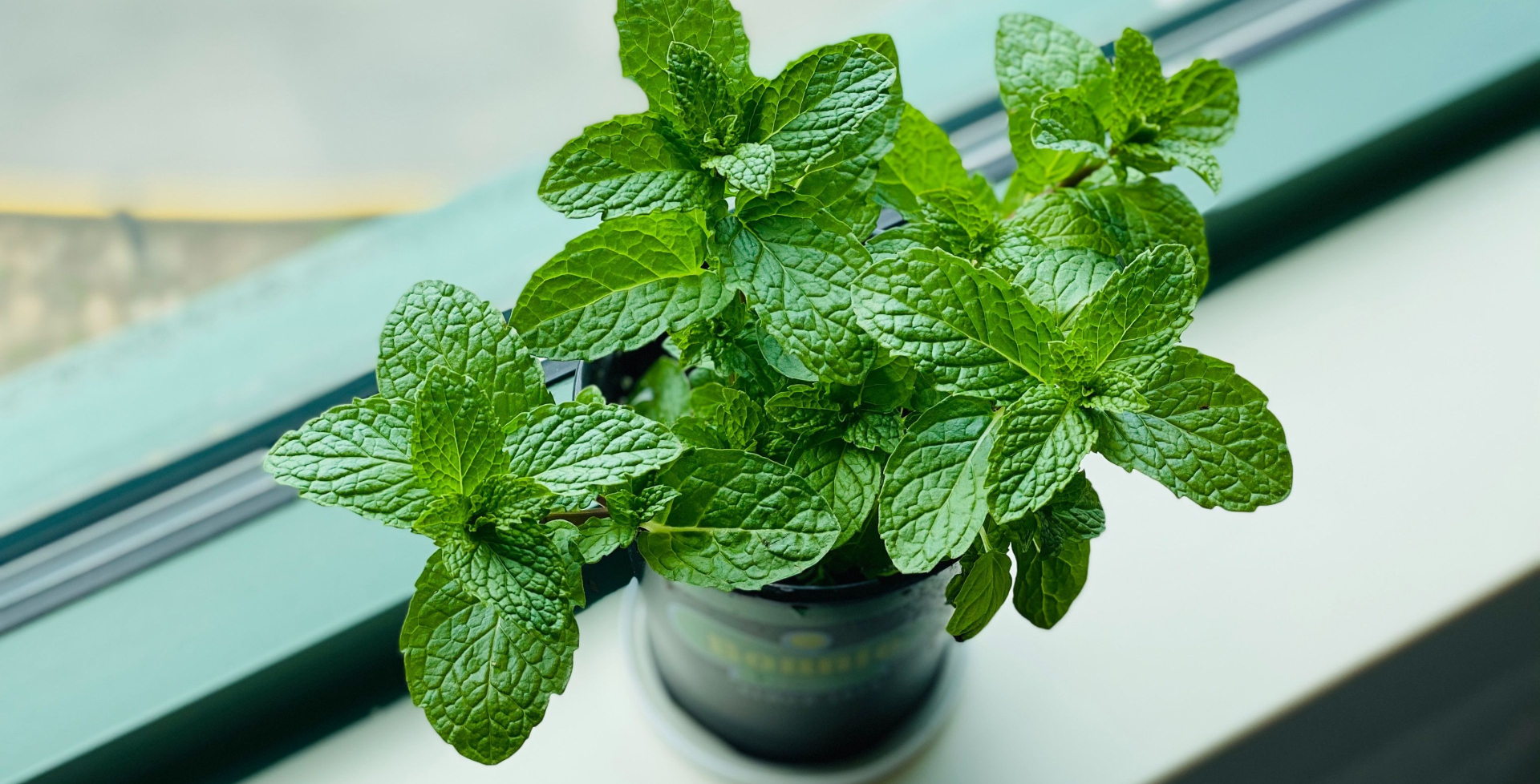
How to Grow Mint in Your Canadian Garden: A Refreshing, Vigorous Herb
Mint is one of the easiest and most rewarding herbs to grow, especially for gardeners in Canada. Known for its refreshing aroma and taste, mint thrives in a variety of conditions and spreads rapidly, making it both a delight and a challenge in the garden.
🌿 Why Grow Mint?
-
Versatile: Used in drinks, desserts, sauces, and teas.
-
Hardy: Perennial in most of Canada.
-
Fast-Growing: Produces quickly with minimal care.
-
Medicinal Uses: Soothes digestion, freshens breath, relieves headaches.
🌱 Best Mint Varieties
-
Peppermint: Strong menthol flavor; ideal for teas and desserts.
-
Spearmint: Milder; best for cooking and mojitos.
-
Chocolate Mint: Subtle cocoa aroma; great for sweet dishes.
-
Apple Mint: Fruity, less intense; good for infusions and garnishes.
🌾 Soil Requirements
-
Type: Moist, well-draining soil.
-
pH: 6.0–7.0.
-
Fertility: Moderate; amend with compost for best results.
Mint prefers consistently moist soil and can tolerate partial shade.
☀️ Sunlight & Temperature
-
Sunlight: Full sun to partial shade (4–6 hours of light daily).
-
Temperature: Thrives in 13–30°C (55–86°F).
-
Cold Tolerance: Excellent; survives winters in Zones 3–9.
📅 Planting Guidelines
-
Start Indoors or Buy Plants: Late March to April.
-
Transplant Outdoors: After last frost (late May).
-
Spacing: 18–24 inches apart.
-
Container Growing: Highly recommended to control spread.
Mint spreads aggressively. Use bottomless pots sunk into the ground or raised beds.
💧 Watering & Feeding
-
Watering: Keep soil evenly moist; do not allow to dry out.
-
Feeding: Apply compost in spring; avoid high-nitrogen fertilizers.
✂️ Harvesting Mint
-
Begin harvesting once stems are 6–8 inches tall.
-
Cut just above a node to encourage bushier growth.
-
Harvest regularly to prevent flowering and maintain flavor.
🌡️ Common Issues
-
Invasive Growth: Contain roots to avoid garden takeover.
-
Rust or Mildew: Provide good airflow and avoid overhead watering.
-
Root Rot: Avoid waterlogged soil.
🍴 Culinary Uses
-
Infuse into teas, lemonades, and cocktails.
-
Use in chutneys, sauces, salads, and desserts.
-
Pair with lamb, chocolate, citrus, and berries.
📆 Mint Planting Calendar (Southern Canada)
| Task | Timeline |
|---|---|
| Start indoors or buy plants | March–April |
| Transplant outdoors | Late May |
| First harvest | June |
| Peak growth | July–August |
| Final harvest & dry | September |
🌿 Mint Companion Planting Chart
| Plant | Companion Plants | Avoid Planting With |
|---|---|---|
| Mint | Cabbage, peas, tomatoes, carrots | Parsley (can stunt growth) |
| Benefits | Deters ants, aphids, flea beetles |
🪴 Mint Planting Diagram (Container Garden Example)
+-----------------------------+
|         Large Pot           |
|    +-------------------+    |
|    |       Mint        |    |
|    +-------------------+    |
| Use separate pots to prevent spread |
+-----------------------------+