How to Grow Garlic in Your Home Garden: A Complete Guide
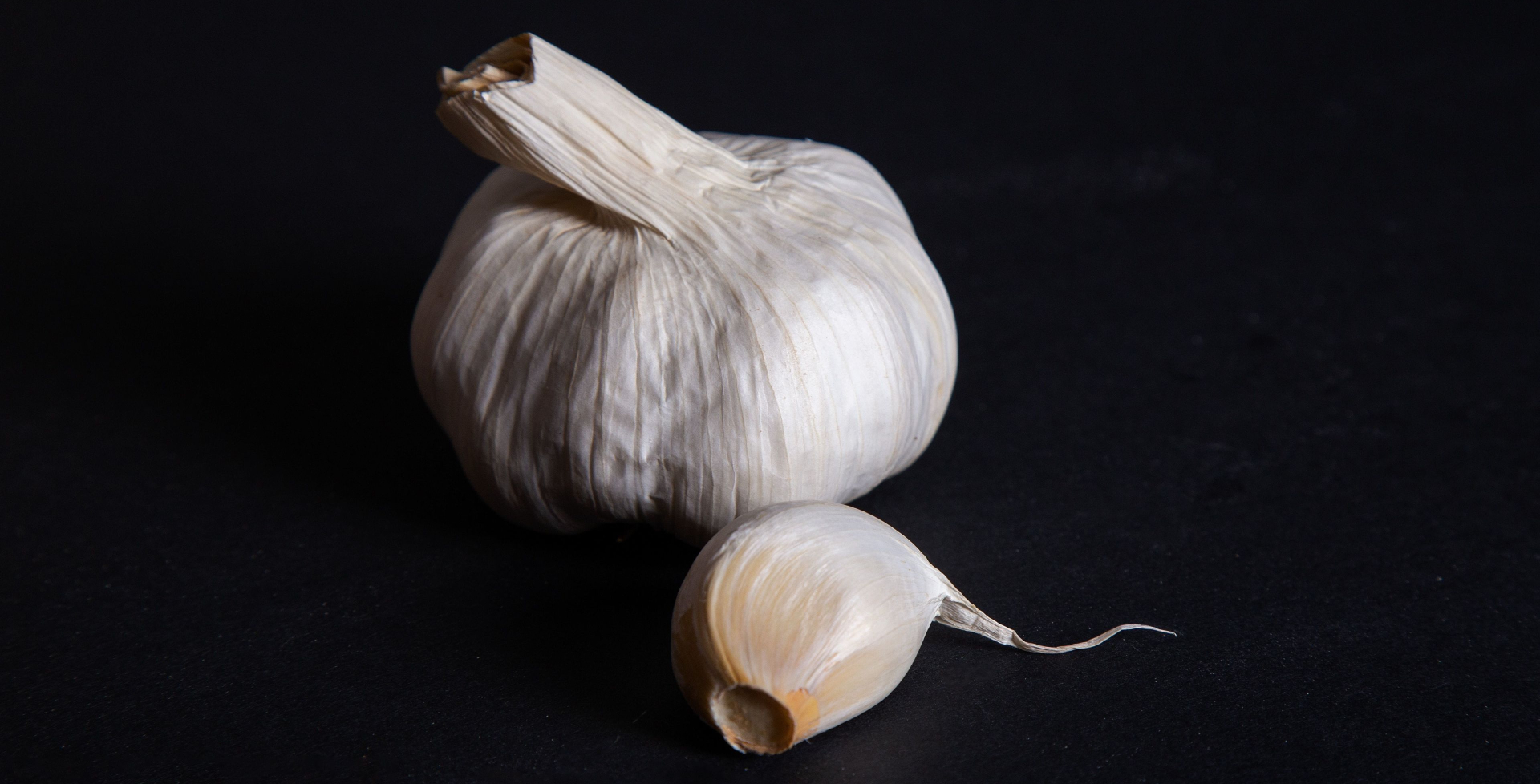
Garlic is one of the easiest and most rewarding crops to grow in a home garden. It requires minimal maintenance, stores well, and adds flavor and health benefits to your meals. Best of all, garlic is ideally suited to Canada’s cold winters. Here’s your complete guide to growing garlic successfully in your garden or containers.
Why Grow Garlic?
-
Cold-hardy: Thrives in Canadian climates.
-
Low maintenance: Minimal pests and disease.
-
Long shelf-life: Properly cured garlic stores for months.
-
Nutritious: Contains allicin, known for heart and immune health.
Types of Garlic
-
Hardneck (Allium sativum var. ophioscorodon): Best for cold climates, produces scapes, shorter storage.
-
Softneck (Allium sativum var. sativum): Longer shelf life, larger bulb yields, better in warmer regions.
Popular hardneck varieties in Canada:
-
‘Music’
-
‘Russian Red’
-
‘German White’
Soil Requirements
-
Type: Loose, well-drained, fertile loam.
-
pH: Slightly acidic to neutral (6.2–7.0).
-
Fertility: High—garlic is a heavy feeder. Amend with compost or aged manure.
Pro Tip: Avoid soggy or compacted soil to prevent rot.
Sunlight & Temperature
-
Sun: Full sun (6–8 hours/day).
-
Temperature: Requires winter chill for proper bulb development.
-
Frost tolerance: Excellent once planted and mulched.
Planting Guidelines
-
Planting time: Fall—4–6 weeks before ground freezes (typically October in Southern Canada).
-
Spacing: 4–6 inches apart in rows 12–18 inches apart.
-
Depth: Plant cloves 2 inches deep, pointed side up.
-
Mulch: Cover with 3–6 inches of straw or leaves for winter protection.
Watering & Feeding
-
Watering: Water well after planting; resume in spring. Stop watering 2–3 weeks before harvest.
-
Feeding: Side-dress with compost or apply fish emulsion in early spring and mid-May.
Yield Per Square Foot
-
Expected yield: 1–1.5 pounds (450–680g) per square foot.
-
Per clove: One planted clove = one full bulb.
Tip: Save your largest bulbs for replanting next season.
Pest & Disease Management
-
Pests: Onion maggots, thrips.
-
Diseases: White rot, downy mildew.
-
Prevention: Rotate crops, use clean seed garlic, and avoid overwatering.
Scapes and Harvesting Tips
-
Scapes: Remove curly flower stalks (scapes) in early summer to focus energy on bulb growth. Scapes are edible and delicious.
-
Harvest: Mid to late July when lower 3–4 leaves turn brown.
-
Curing: Hang in a dry, well-ventilated area for 3–4 weeks. Then trim tops and roots for storage.
Container Growing
-
Use deep containers (12–14″) with good drainage.
-
Plant cloves 4–5 inches apart.
-
Mulch for winter, and move containers to sheltered spot if needed.
Enjoying Your Garlic
-
Roast, sauté, pickle, or dehydrate.
-
Use in sauces, dressings, soups, and as a seasoning.
-
Store cured bulbs in mesh bags in a cool, dry place.
Final Tips for Success
-
Use seed garlic from a trusted supplier or farmer.
-
Break bulbs into cloves just before planting.
-
Do not remove mulch in spring—it retains moisture and suppresses weeds.
Happy growing! 🧄
Planting Calendar (For Most Canadian Regions)
| Task | Timeline (Southern Canada) |
|---|---|
| Prepare soil | September |
| Plant cloves | Mid to late October |
| Mulch garden bed | After planting |
| Remove scapes | Late June |
| Harvest bulbs | Mid to late July |
| Cure garlic | 3–4 weeks after harvest |
Garlic Planting Diagram
 Raised Bed Layout (4 ft x 4 ft)

 +-------------------------+
 | o    o    o    o    o  |  o = Garlic clove (6" spacing)
 |                         |
 | o    o    o    o    o  |  Rows 12" apart
 +-------------------------+
Container Setup:
-
12″ deep pots with loose soil.
-
3–5 cloves per pot spaced evenly.
-
Ensure drainage holes and protect over winter.