How to Grow Swiss Chard in Your Home Garden: A Complete Guide
Swiss chard is a beautiful, nutritious, and easy-to-grow leafy green that thrives in Canadian gardens. With its colorful stems and ability to tolerate both cool and warm weather, chard is a great crop for beginner and seasoned gardeners alike. Here’s your complete guide to growing Swiss chard at home.
Why Grow Swiss Chard?
-
Cold and heat tolerant: Thrives from spring through fall.
-
Nutrient-rich: Packed with vitamins A, C, and K, magnesium, and antioxidants.
-
Cut-and-come-again: Continues producing after harvesting.
-
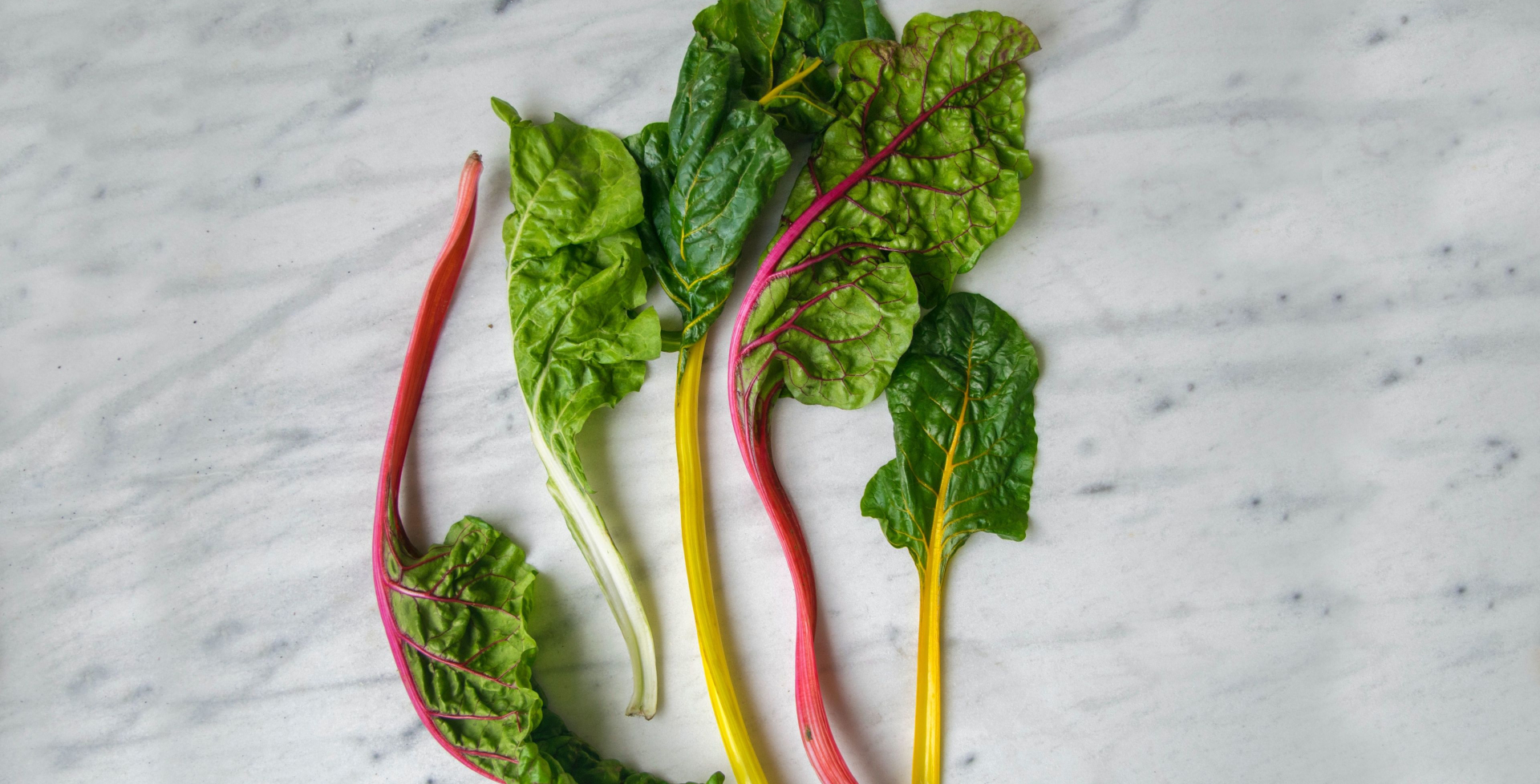
Ornamental appeal: Rainbow-colored stems add vibrancy to gardens and containers.
Best Varieties for Home Gardens
-
‘Bright Lights’ – Colorful stems in yellow, pink, orange, red, and white.
-
‘Fordhook Giant’ – Large white stems and deep green leaves.
-
‘Rhubarb’ – Red stems with crinkled leaves.
Soil Requirements
-
Type: Well-drained, fertile loam or sandy soil.
-
pH: Slightly acidic to neutral (6.0–7.0).
-
Fertility: High—amend with compost before planting.
Pro Tip: Chard thrives in enriched soil; side-dress with compost mid-season.
Sunlight & Temperature
-
Sun: Full sun to partial shade (4–8 hours/day).
-
Temperature: Grows well between 10–29°C (50–85°F).
-
Frost tolerance: Can tolerate light frosts—great for spring and fall.
Planting Guidelines
-
Start indoors or direct sow: Direct sow recommended once soil is workable.
-
Timing: Sow 2–4 weeks before last spring frost.
-
Spacing:
-
Sow seeds ½ inch deep.
-
Thin seedlings to 6–12 inches apart.
-
Rows 18–24 inches apart.
-
Watering & Feeding
-
Watering: Keep soil consistently moist but not soggy.
-
Mulch: Apply mulch to retain moisture and control weeds.
-
Feeding: Fertilize every 3–4 weeks with balanced organic fertilizer.
Yield Per Square Foot
-
Expected yield: 1–2 pounds (450–900g) per square foot over the season.
-
Harvest: Begin harvesting outer leaves when they reach 6–8 inches tall.
Tip: Don’t cut the growing center; harvest leaves from the outside in.
Pest & Disease Management
-
Pests: Leaf miners, aphids, slugs.
-
Diseases: Cercospora leaf spot, downy mildew.
-
Prevention: Rotate crops, use row covers, remove damaged leaves.
-
Organic controls: Neem oil, insecticidal soap, diatomaceous earth.
Harvesting Tips
-
Harvest regularly to encourage new growth.
-
Cut mature outer leaves with scissors or knife.
-
Leave central crown intact for continual harvest.
Container Growing
-
Use containers at least 12 inches deep.
-
Space plants 6–8 inches apart.
-
Water frequently and use quality potting mix.
Enjoying Your Swiss Chard
-
Use in sautés, soups, quiches, smoothies, or raw in salads.
-
Store in the fridge for up to 1 week; blanch and freeze for longer storage.
Final Tips for Success
-
Soak seeds overnight before planting to speed germination.
-
Re-seed bare spots to ensure continuous production.
-
Grow a spring crop and another in late summer for fall harvest.
Happy gardening! 🌱
Planting Calendar (For Most Canadian Regions)
| Task | Timeline (Southern Canada) |
|---|---|
| Sow seeds outdoors (spring) | Mid-April to late May |
| Thin seedlings | 2–3 weeks after emergence |
| Succession sowing | Every 2–3 weeks through July |
| Harvest begins | Late May to early June |
| Fall crop sowing | Early August |
Swiss Chard Planting Diagram
 Raised Bed Layout (4 ft x 4 ft)

 +-------------------------+
 |     o     o     o      |  o = Swiss chard plant (12" apart)
 |                         |
 |     o     o     o      |  Rows 18" apart
 +-------------------------+
Container Setup:
-
Use deep pots (12″+).
-
3–4 plants per 18-inch container.
-
Fertilize monthly and keep evenly watered.