How to Grow Cabbage in Your Home Garden: A Cool-Season Staple
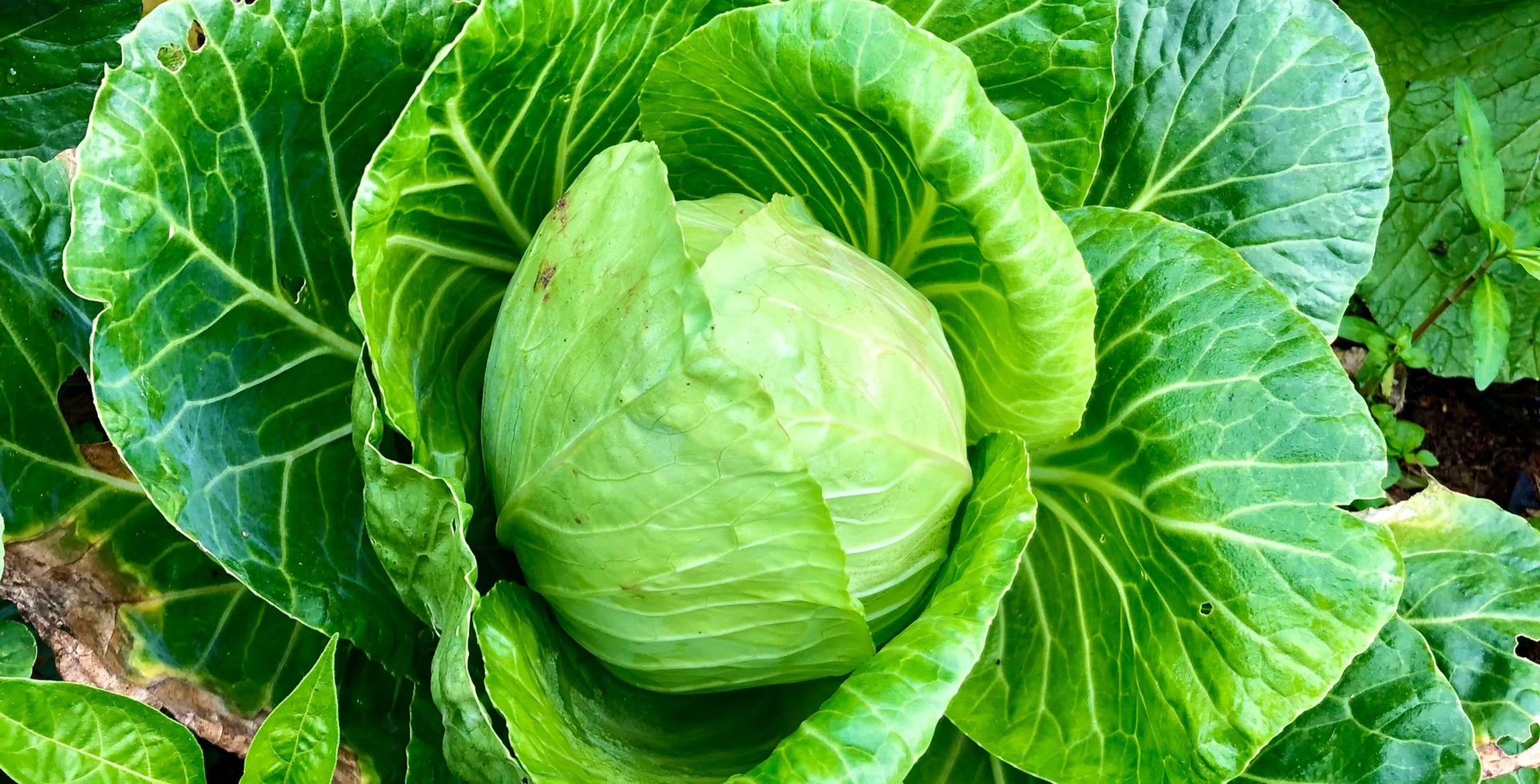
Cabbage is a classic cold-weather crop, perfect for Canadian gardens. Its dense, leafy heads are nutritious, versatile, and easy to grow with the right care.
Why Grow Cabbage?
-
Cold-hardy: Thrives in cool spring and fall weather.
-
Nutritious: High in vitamins C and K, fiber, and antioxidants.
-
Versatile: Ideal for slaws, stir-fries, fermenting, and soups.
-
Long storage life: Keeps well in the fridge or root cellar.
Best Cabbage Varieties for Canadian Gardens
-
Green Express: Fast-growing, small heads.
-
Red Acre: Compact, vibrant red heads.
-
Brunswick: Heirloom variety, excellent for fall crops.
-
Savoy King: Crinkled, tender leaves with sweet flavor.
Soil Requirements
-
Type: Fertile, well-drained loamy soil.
-
pH: 6.0–7.0.
-
Fertility: High; enrich with compost or aged manure.
Avoid planting in areas where other brassicas grew last season.
Sunlight & Temperature
-
Sun: Full sun (6+ hours daily).
-
Temperature: Ideal between 13–21°C (55–70°F).
-
Frost Tolerance: Excellent; withstands light frosts.
Planting Guidelines
-
Start indoors: 6–8 weeks before last frost (late Feb to early March).
-
Transplant outdoors: 2–4 weeks before last frost (mid-April).
-
Fall crop: Start seeds in late June for late summer transplant.
-
Spacing:
-
Plants: 18 inches apart.
-
Rows: 24–30 inches apart.
-
-
Depth: Plant at seedling tray depth.
Watering & Feeding
-
Watering: 1–1.5 inches per week; deep, regular watering is best.
-
Feeding: High-nitrogen fertilizer every 2–3 weeks.
-
Mulch: Retains moisture and keeps soil cool.
Yield Per Square Foot
-
Per plant: One firm head per plant.
-
Per square foot: 1 plant.
Consistent care = dense, healthy heads.
Common Pests & Diseases
-
Pests: Cabbage worms, aphids, root maggots.
-
Diseases: Clubroot, black rot, downy mildew.
-
Prevention: Use row covers, rotate crops, apply neem oil.
Harvesting Tips
-
Harvest when heads feel solid and firm.
-
Use a sharp knife to cut at the base.
-
Remove outer leaves and use immediately or store.
Storage Tips
-
Store in a cool, humid space or refrigerator.
-
Can last 1–2 months; longer in a root cellar.
-
Ideal for fermenting into sauerkraut.
Container Growing
-
Use large containers (7+ gallons).
-
Choose compact varieties.
-
Water deeply and fertilize frequently.
Enjoying Your Cabbage
-
Shred into slaws or salads.
-
Ferment into kimchi or sauerkraut.
-
Steam, sauté, roast, or stuff.
Final Tips for Success
-
Protect young seedlings from pests.
-
Avoid heat stress in midsummer.
-
Don’t let heads split—harvest promptly once firm.
🌱 Cabbage Planting Guide (Southern Canada)
| Task | Timeline | Notes |
|---|---|---|
| Start seeds indoors | Late Feb to early March | Use trays with grow lights |
| Harden off seedlings | Mid-April | Gradually expose to outdoor conditions |
| Transplant outdoors | Mid to late April | Plant on an overcast day if possible |
| Fall crop seed start | Late June | Transplant in late July |
| Harvest (spring crop) | June to early July | Heads mature quickly in cool weather |
| Harvest (fall crop) | Sept to mid-Oct | Harvest before deep frost |
Cabbage Planting Diagram
 Raised Bed Layout (4 ft x 4 ft)

 +----------------------------+
 | o       o       o         |  o = Cabbage (18 in. apart)
 |                            |
 | o       o       o         |
 +----------------------------+
Container Setup:
-
Use 7+ gallon pots with drainage.
-
Provide full sun.
-
Keep soil moist and nutrient-rich.
🥬 Comparison Chart: Cabbage vs. Cauliflower vs. Kale
| Feature | Cabbage | Cauliflower | Kale |
|---|---|---|---|
| Cold Tolerance | Excellent | Moderate | Very High |
| Days to Harvest | 70–100 days | 55–80 days | 50–70 days |
| Yield per sq. ft. | 1 plant | 1 plant | 1–2 plants |
| Growth Habit | Round, head-forming | Compact, head-forming | Leafy, upright |
| Best Planting Time | Early spring, midsummer | Early spring, midsummer | Early spring, midsummer |
| Storage Longevity | Excellent (root cellar) | Good (fridge/freezer) | Fair (fridge only) |
| Container Friendly | Yes (large pots) | Yes (large pots) | Yes |
| Common Uses | Slaws, stuffed, cooked | Roasted, mashed, riced | Salads, sautés, chips |