How to Grow Brussels Sprouts in Your Home Garden: A Cold-Loving Crop
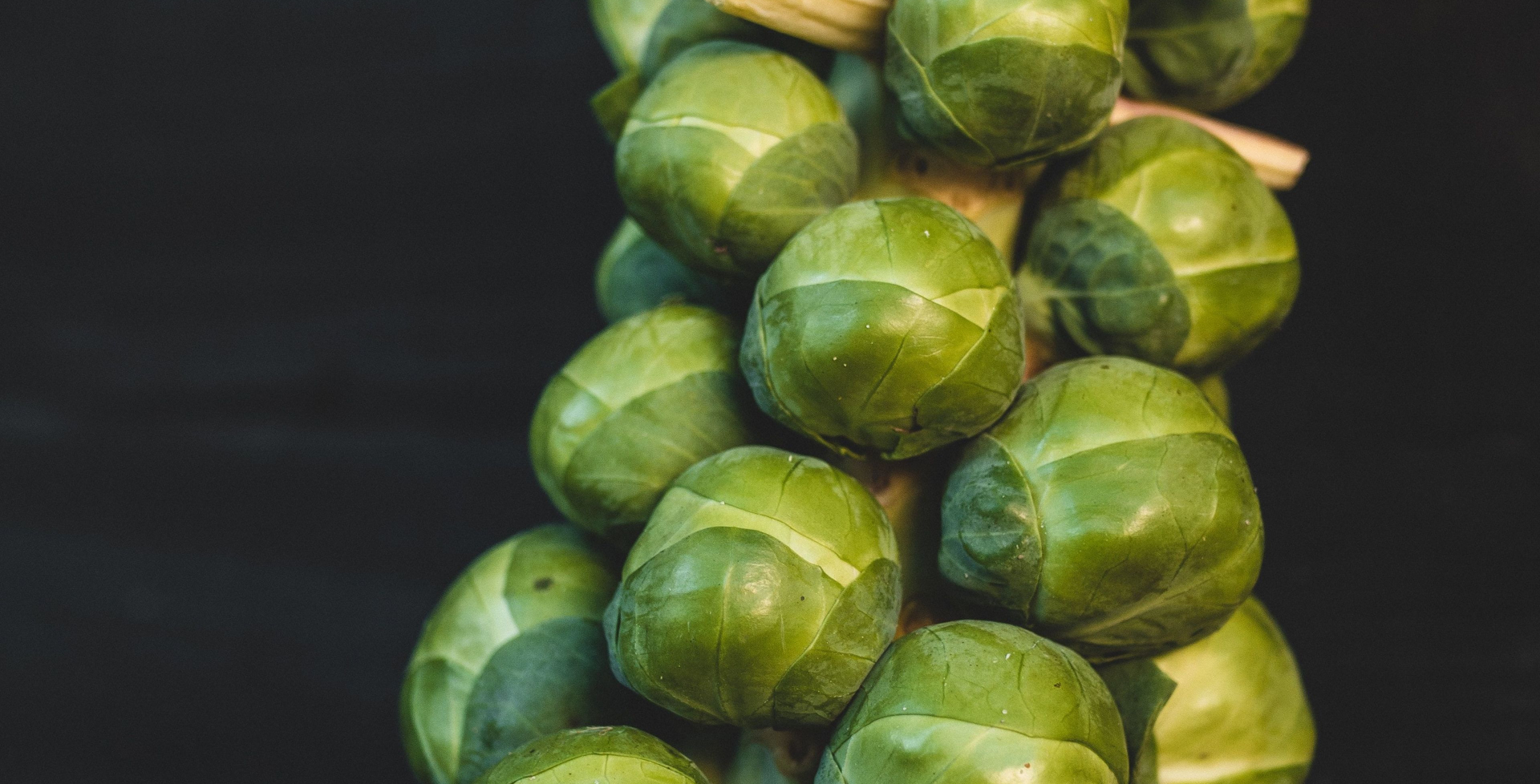
Brussels sprouts are a hardy and rewarding cool-season crop ideal for Canadian gardeners. These miniature cabbage-like sprouts grow on tall stalks and deliver a nutty, sweet flavor—especially after a light frost.
Why Grow Brussels Sprouts?
-
Cold-tolerant: Thrive in fall and withstand frost.
-
Nutrient-rich: High in vitamin C, K, fiber, and antioxidants.
-
Long harvest season: Pick sprouts from bottom to top over weeks.
-
Space-efficient: Vertical growth conserves garden area.
Best Brussels Sprouts Varieties for Canadian Gardens
-
Diablo: Early-maturing and cold-hardy.
-
Jade Cross: Compact, uniform sprouts.
-
Long Island Improved: Heirloom variety, well-suited for northern climates.
-
Nautic: High-yielding and flavorful.
Soil Requirements
-
Type: Rich, well-drained loamy soil.
-
pH: 6.5–7.5.
-
Fertility: High; add compost or aged manure before planting.
Brussels sprouts are heavy feeders—prepare soil thoroughly for optimal growth.
Sunlight & Temperature
-
Sun: Full sun (6–8 hours daily).
-
Temperature: Optimal range is 10–24°C (50–75°F).
-
Frost Tolerance: Excellent; flavor improves after frost.
Planting Guidelines
-
Start indoors: 6–8 weeks before last frost (late Feb to early March).
-
Transplant outdoors: 2–4 weeks before last frost (mid to late April).
-
Spacing:
-
Plants: 18–24 inches apart.
-
Rows: 30–36 inches apart.
-
-
Depth: Plant at the same depth as in seed trays.
Watering & Feeding
-
Watering: 1–1.5 inches per week; keep soil consistently moist.
-
Feeding: Fertilize every 2–3 weeks with a balanced or high-nitrogen feed.
-
Mulch: Helps retain moisture and suppress weeds.
Yield Per Square Foot
-
Per plant: 20–50 sprouts per stalk.
-
Per square foot: 1 plant.
Regular harvesting promotes continued sprout development.
Common Pests & Diseases
-
Pests: Aphids, cabbage worms, flea beetles.
-
Diseases: Clubroot, black rot.
-
Prevention: Use floating row covers, rotate crops, and apply neem oil or diatomaceous earth.
Harvesting Tips
-
Begin harvesting from the bottom of the stalk upward.
-
Wait until sprouts are 1–2 inches in diameter and firm.
-
Snap or cut off each sprout; leave top leaves to encourage upper growth.
-
For sweeter flavor, harvest after a light frost.
Storage Tips
-
Refrigerate unwashed sprouts in a breathable bag for 1–2 weeks.
-
Blanch and freeze for long-term storage.
Container Growing
-
Use large containers (10+ gallons).
-
Ensure full sun and deep soil.
-
Stake tall stalks to prevent toppling.
Enjoying Your Brussels Sprouts
-
Roast with olive oil and garlic.
-
Sauté with bacon or pancetta.
-
Shave raw into salads.
-
Add to casseroles or pasta dishes.
🌿 Brussels Sprouts Planting Calendar (Southern Canada)
| Task | Timeline | Notes |
|---|---|---|
| Start seeds indoors | Late February to early March | Use a heat mat for consistent germination |
| Harden off seedlings | Mid-April | Gradually expose to outdoor conditions |
| Transplant outdoors | Mid to late April | Choose overcast day or plant in evening |
| Harvest begins | Late September | Lower sprouts mature first |
| Full harvest | October to November | After light frost for best flavor |
Brussels Sprouts Planting Diagram
 Raised Bed Layout (4 ft x 4 ft)

 +-----------------------------+
 | o       o       o          |  o = Brussels sprouts (18 in. apart)
 |                             |
 | o       o       o          |
 +-----------------------------+
Container Setup:
-
Use 10+ gallon pots.
-
Space one plant per container.
-
Provide full sun and support tall stalks.
🥦 Companion Chart: Brussels Sprouts vs. Cabbage vs. Kale
| Feature | Brussels Sprouts | Cabbage | Kale |
|---|---|---|---|
| Cold Tolerance | Excellent | Excellent | Very High |
| Days to Harvest | 90–120 days | 70–100 days | 50–70 days |
| Yield per sq. ft. | 1 plant | 1 plant | 1–2 plants |
| Growth Habit | Tall stalk with sprouts | Round, head-forming | Leafy, upright |
| Best Planting Time | Early spring | Early spring, midsummer | Early spring, midsummer |
| Storage Longevity | Good (fridge/freezer) | Excellent (root cellar) | Fair (fridge only) |
| Container Friendly | Yes (large containers) | Yes (large pots) | Yes |
| Common Uses | Roasted, sautéed, fresh | Slaws, stuffed, cooked | Salads, sautés, chips |