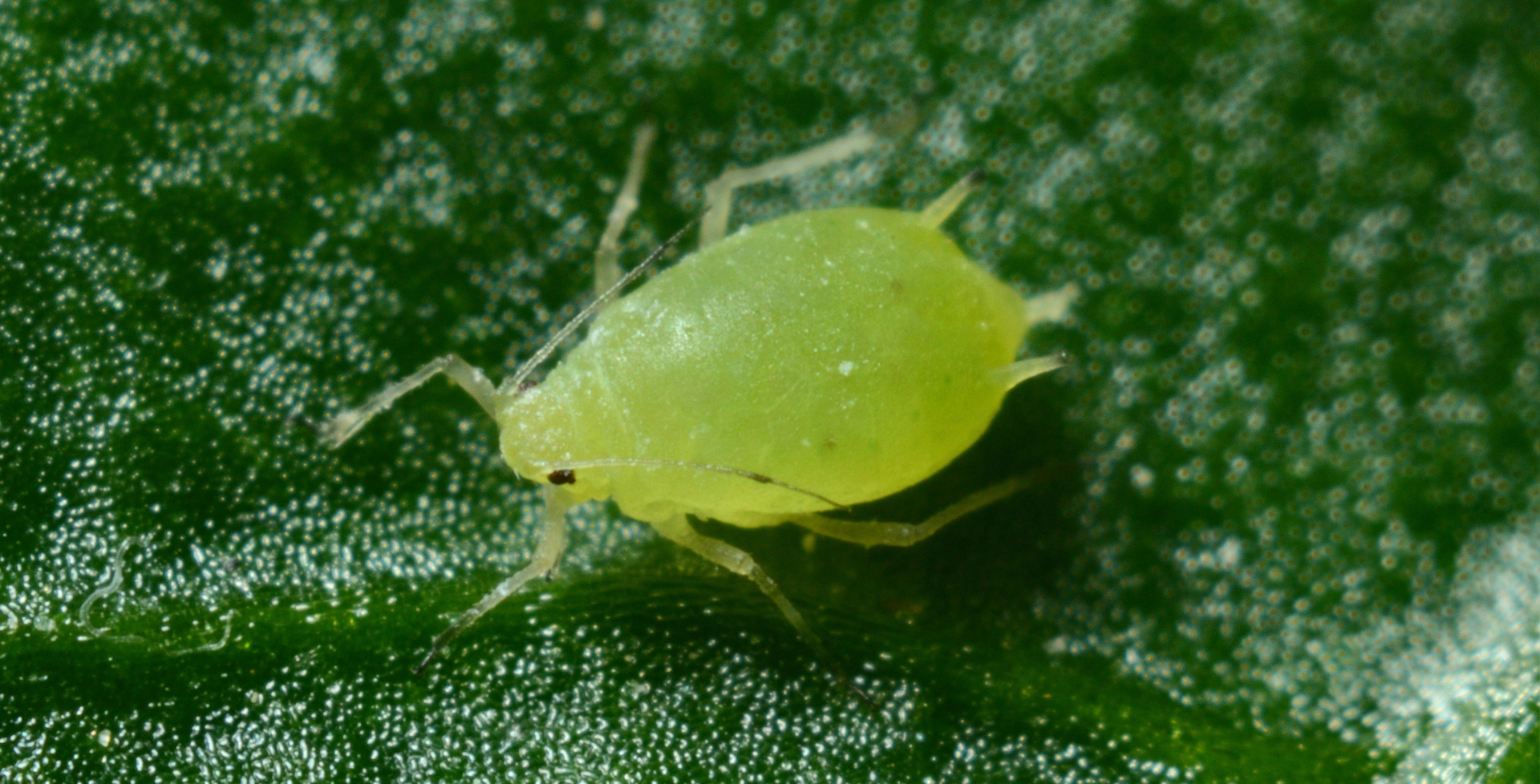
Aphids are one of the most common and persistent garden pests across Canada. These tiny sap-suckers can multiply rapidly and damage a wide range of plants, including vegetables, herbs, fruit trees, and ornamentals. This guide will help you identify aphids, understand why they appear, and explore several proven ways to manage and eliminate them.
🐜 What Are Aphids?
Aphids are soft-bodied insects typically less than 1/8 inch long. They can be green, black, brown, gray, yellow, or even pink. Common characteristics:
-
Often found in clusters on new growth, stems, or undersides of leaves.
-
Feed by piercing plants and sucking sap.
-
Can produce a sticky substance called honeydew, which attracts ants and encourages sooty mold.
🌿 Why Do You Get Aphids?
Aphids are common in all types of gardens due to:
-
Lush, tender new growth, especially in spring and early summer.
-
Lack of predators like ladybugs or lacewings.
-
Over-fertilization, which can promote excessive soft foliage.
-
Sheltered spaces like greenhouses and densely planted beds.
🔍 Signs of Infestation
-
Curled, distorted, or yellowing leaves.
-
Sticky residue on foliage (honeydew).
-
Presence of ants farming the aphids.
-
Visible aphid clusters on new growth or leaf undersides.
✅ 3+ Ways to Get Rid of Aphids
1. Blast with Water
-
Use a hose to knock aphids off plants.
-
Works best on sturdy crops like kale, chard, and tomatoes.
-
Repeat every few days as needed.
2. Introduce Natural Predators
-
Release or attract beneficial insects such as:
-
Ladybugs
-
Green lacewings
-
Hoverflies
-
-
Plant dill, fennel, and alyssum to draw in predators.
3. Neem Oil or Insecticidal Soap
-
Spray directly on aphids and leaf undersides.
-
Safe for most plants when used as directed.
-
Avoid spraying during full sun to prevent leaf burn.
4. Companion Planting & Trap Crops
-
Interplant with garlic, chives, marigold, or nasturtium to repel aphids.
-
Nasturtiums can serve as trap crops—aphids will flock to them, sparing your vegetables.
🗓️ Aphid Control Calendar (Southern Canada)
| Task | Timeline |
|---|---|
| Watch for aphids | May through September |
| Introduce beneficials | Late May–early June |
| Apply neem/soap sprays | As needed, bi-weekly |
| Remove infested plant parts | Ongoing, as observed |
🧪 Extra Tips
-
Use reflective mulch to confuse flying aphids.
-
Avoid overuse of nitrogen-rich fertilizers.
-
Control ants, which protect aphids from predators.
-
Prune heavily infested branches to reduce spread.
Aphids are a nuisance, but with a proactive approach combining physical, biological, and organic controls, your garden can stay productive and healthy all season long.