How to Grow Leeks in Your Canadian Garden: A Flavorful Cold-Hardy Crop
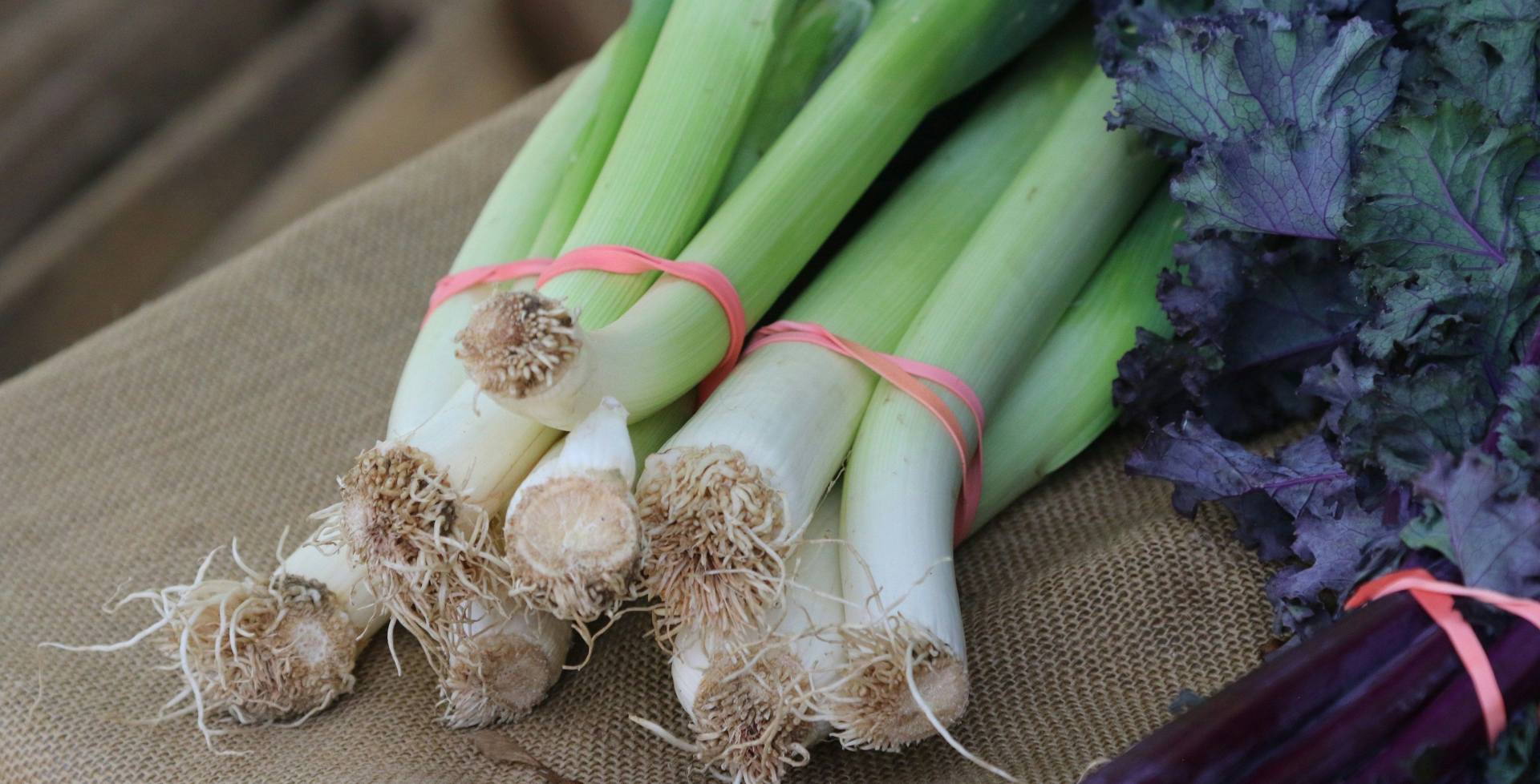
Leeks are a cool-season crop with a mild, onion-like flavor and a long growing season, making them ideal for gardeners with patience and good soil. They’re great for soups, sautés, and roasting, and can even overwinter in mild climates.
Why Grow Leeks?
-
Flavorful and versatile: Milder than onions, with rich umami.
-
Cold-hardy: Can survive light frosts and even overwinter.
-
Long harvest window: Harvest from late summer into early winter.
-
Storage-friendly: Can be stored fresh or blanched and frozen.
Best Leek Varieties for Canadian Gardens
-
King Richard: Early maturing, great for short seasons.
-
Lancelot: Compact, upright variety for smaller spaces.
-
Tadorna: Hardy and flavorful with thick stems.
-
Blue Solaise: Heirloom, known for cold resistance and blue tint.
Soil Requirements
-
Type: Rich, well-drained loamy soil.
-
pH: 6.2–6.8.
-
Fertility: High; add compost and a balanced fertilizer.
Leeks need deep, loose soil to form long white shanks.
Sunlight & Temperature
-
Sun: Full sun (6–8 hours daily).
-
Temperature: Best grown in 13–24°C (55–75°F).
-
Frost Tolerance: Excellent; mature leeks can survive sub-zero temps.
Planting Guidelines
-
Start Indoors: 10–12 weeks before last frost.
-
Transplant Outdoors: 2–4 weeks before last frost.
-
Spacing:
-
In Rows: 6 inches apart.
-
Rows: 12–18 inches apart.
-
-
Depth: Transplant into 4–6 inch deep holes to blanch stems.
As plants grow, hill soil around the base to encourage longer white stems.
Watering & Feeding
-
Watering: Consistently moist, especially during dry spells.
-
Feeding: Side-dress with nitrogen-rich fertilizer every 3–4 weeks.
Yield Per Square Foot
-
Per square foot: 9–12 leeks.
Thin seedlings early to reduce crowding and improve yield.
Common Pests & Diseases
-
Pests: Onion maggots, thrips.
-
Diseases: Rust, downy mildew.
-
Prevention: Practice crop rotation, remove debris, use row covers.
Harvesting Tips
-
Harvest when stems are 1 inch or more in diameter.
-
Use a garden fork to gently loosen the soil.
-
Late-season leeks can be mulched and harvested into winter.
Storage Tips
-
Refrigerate unwashed leeks in damp paper towels.
-
Blanch and freeze for longer storage.
Container Growing
-
Deep containers (at least 10–12 inches).
-
Fewer leeks per container due to space.
-
Ensure well-draining and fertile soil.
Enjoying Your Leeks
-
Classic in potato-leek soup.
-
Grill whole or slice into stir-fries.
-
Sauté as a savory base for many dishes.
🌱 Leek Planting Calendar (Southern Canada)
| Task | Timeline | Notes |
|---|---|---|
| Start indoors | Late January to March | 10–12 weeks before last frost |
| Transplant outdoors | Mid to late April | Harden off before transplanting |
| Hill up soil | Every 3–4 weeks | Promotes longer white stems |
| Harvest begins | Late July to November | Continue as needed into early winter |
Leek Planting Diagram
 Raised Bed Layout (4 ft x 4 ft)

 +-----------------------------+
 |   o   o   o   o   o         |  o = Leek (6 in. apart)
 |   o   o   o   o   o         |
 |   o   o   o   o   o         |
 +-----------------------------+
Container Setup:
-
Use a 5-gallon container for 3–4 leeks.
-
Fertilize regularly and keep soil moist.
🧄 Companion Chart: Scallions vs. Onions vs. Chives vs. Leeks
| Feature | Scallions | Onions | Chives | Leeks |
|---|---|---|---|---|
| Days to Harvest | 30–60 days | 90–120 days | 60–90 days | 120–150 days |
| Yield per sq. ft. | 16–25 stalks | 9–16 bulbs | Many clumps | 9–12 stalks |
| Growth Habit | Tall, leafy stalks | Bulb-forming | Grass-like tufts | Long, thick stalks |
| Best Planting Time | Early spring, midsummer | Early spring | Spring or fall | Start indoors in Feb–Mar |
| Storage Longevity | 1 week (fresh use) | 2–6 months | Best fresh, frozen ok | Up to 3 months |
| Container Friendly | Excellent | Good | Excellent | Moderate |
| Common Uses | Raw garnish, stir-fry | Cooked and raw | Garnish, herb butter | Soups, sautés, grilling |